Ayatollah Ali Khamenei: Iran’s supreme leader makes first public appearance since Israel war

Iran’s Supreme Leader, Ayatollah Ali Khamenei, made his first public appearance since the 12-day war between Israel and Iran, which claimed the lives of top military leaders and nuclear scientists.
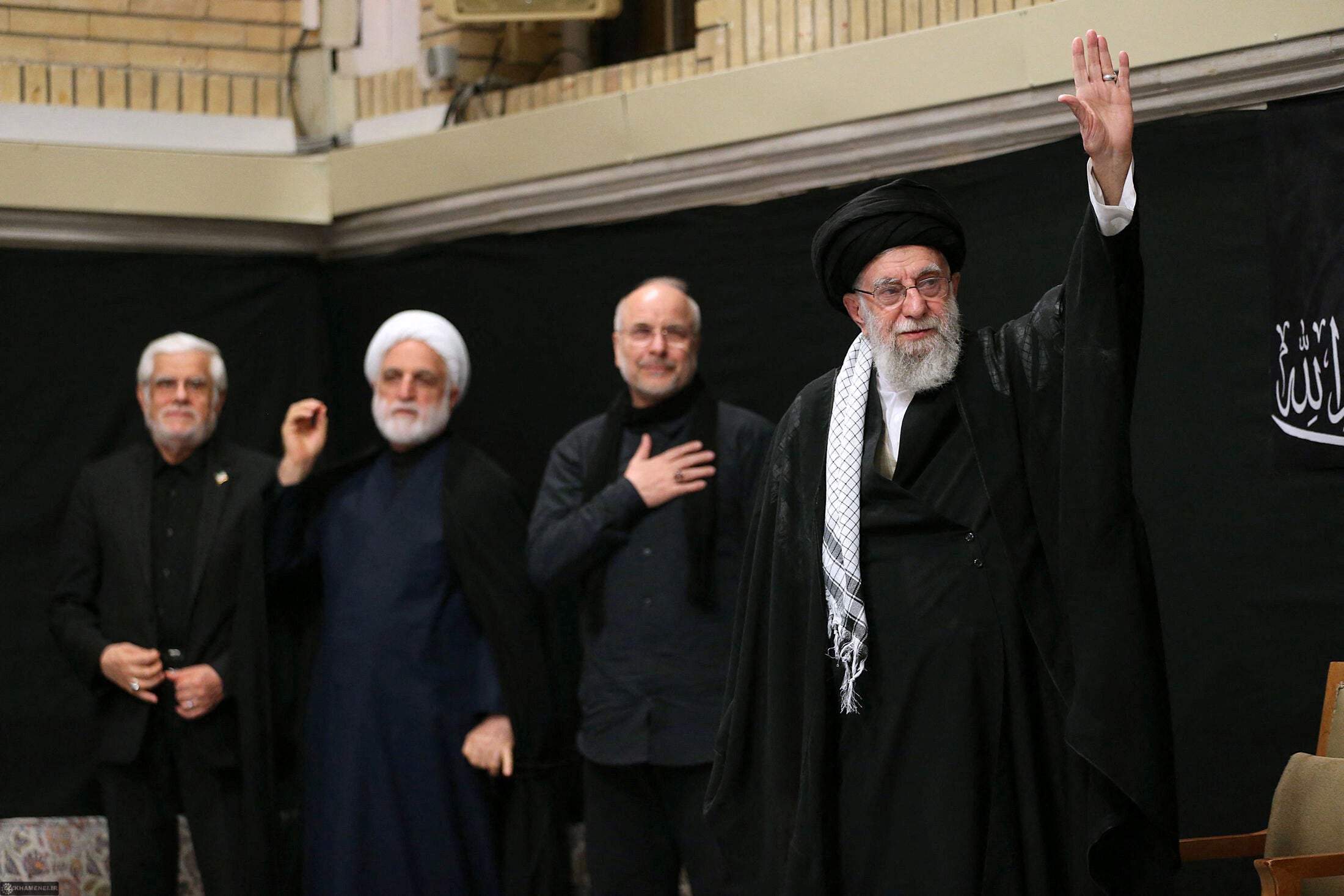
Seen for the first time in over 20 days, Mr Khamenei was shown in a state television broadcast on Saturday entering a mosque hall and greeting people seated on the floor.
It came on a day when worshippers mourn the martyrdom of Imam Hussein, a significant date for Shia Muslims.
Mr Khamenei, 86, was seen dressed in black as the crowd rose from the ground, raised their fists in the air, and chanted: “The blood in our veins for our leader!”
Mr Khamenei’s absence during the war had suggested heightened security measures for the Iranian leader, who holds the final say on all state matters.
There was no immediate report on any public statement made.
The leader released a pre-recorded video last week to address the Iranian public but had not been seen in public since Israel launched a major military operation against Iran on 13 June.
Iran has acknowledged the deaths of more than 900 people in the war, as well as thousands of injured. It also has confirmed serious damage to its nuclear facilities, and has denied access to the sites for inspectors with the UN nuclear watchdog.
Mr Khamenei hosted a remembrance of the 7th century martyrdom of the Prophet Muhammad’s grandson, Hussein, at a mosque next to his office and residence in the capital, Tehran. Iranian officials such as the Parliament speaker were present, and such events are always held under heavy security.
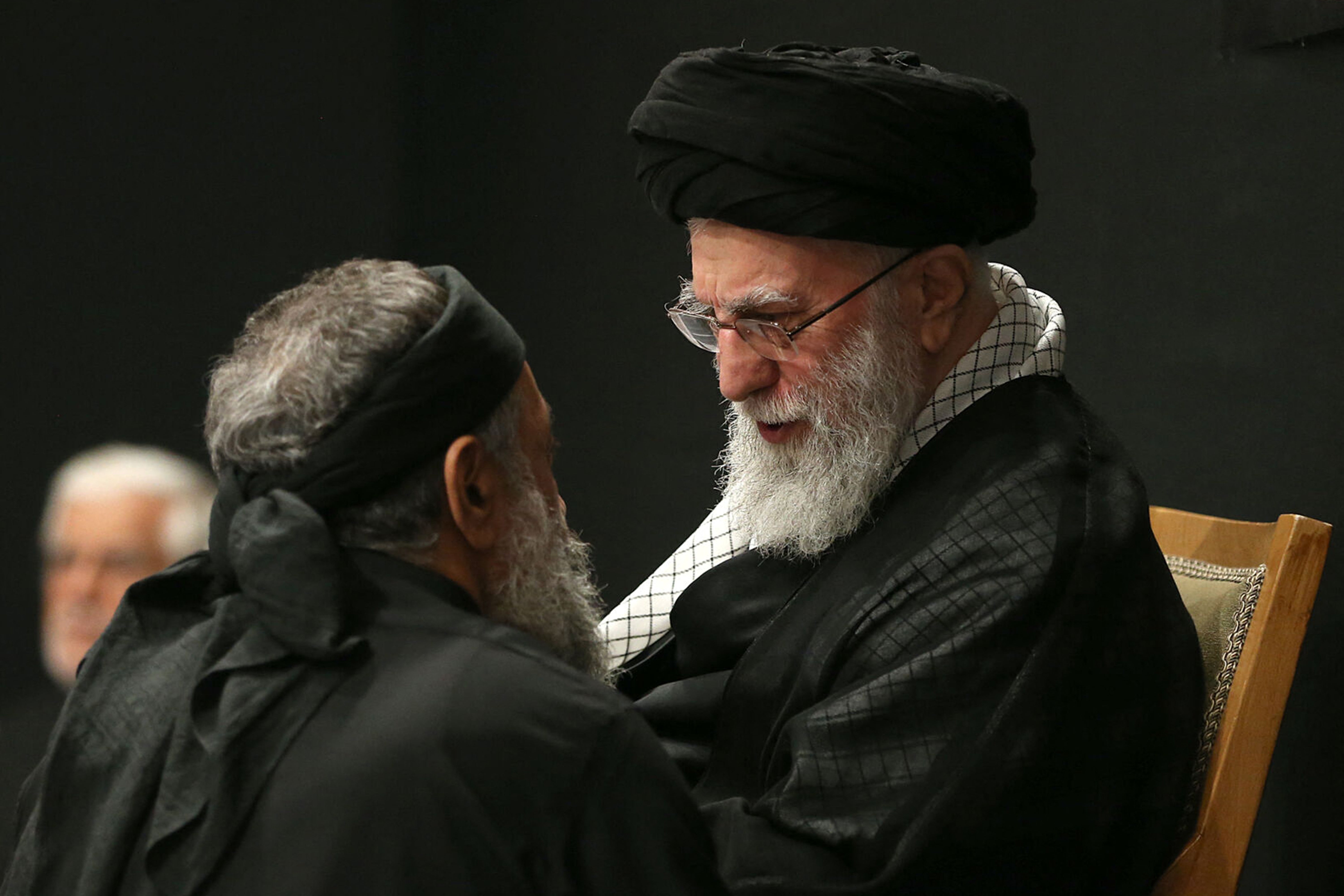
Shiites represent over 10 per cen of the world’s 1.8 billion Muslims, and they view Hussein as the rightful successor to the Prophet Muhammad. Hussein’s death in battle at the hands of Sunnis at Karbala, south of Baghdad, created a rift in Islam and continues to play a key role in shaping Shiite identity.
In predominantly Shiite Iran, red flags represented Hussein’s blood and black funeral tents and clothes represented mourning. Processions of chest-beating and self-flagellating men demonstrated fervour. Some sprayed water over the mourners in the intense heat.
Israel relentlessly attacked Iran beginning June 13, targeting its nuclear sites, defence systems, high-ranking military officials and atomic scientists. According to official figures, the strikes killed more than 900 people in Iran, while retaliatory Iranian missile attacks on Israeli cities left at least 28 people dead.
After the US targeted three nuclear facilities during the Iran-Israel war, Donald Trump claimed the strikes had “obliterated” Iran’s nuclear capabilities. However, last week, the head of the UN nuclear watchdog said Iran could produce enriched uranium “in a matter of months”.
Rafael Grossi, director general of the International Atomic Energy Agency, told US broadcaster CBS News that the strikes on three Iranian sites had caused significant, though not total, damage.
He said: “Frankly speaking, one cannot claim that everything has disappeared and there is nothing there.
“They [Iran] can have, you know, in a matter of months, I would say, a few cascades of centrifuges spinning and producing enriched uranium, or less than that … Iran has the capacities there: industrial and technological capacities.”
