Hong Kong democracy activist Ted Hui granted asylum after fleeing to Australia

Australia has granted asylum to Hong Kong pro-democracy activist Ted Hui, he said in a social media post, a move likely to raise tensions with China.
Mr Hui, a former Hong Kong parliamentarian, fled the city four years ago and first arrived in Europe in December 2020. In March 2021, he became the first Hong Kong politician to be granted a special travel exemption during coronavirus restrictions to enter Australia.
In 2022, Mr Hui was convicted in Hong Kong in his absence on charges of taking part in a pro-democracy protest and was sentenced to three-and-a-half years in jail.
On Saturday, Mr Hui said he had “received formal notification from the Australian Department of Home Affairs that I have been granted asylum in Australia”.
In an emotional post, he said: “When people around me say ‘congratulations’ to me, although I politely thank them, I can’t help but feel sad in my heart. How to congratulate a political refugee who misses his hometown?”
“If it weren’t for political persecution, I would never have thought of living in a foreign land. Immigrants can always return to their home towns to visit relatives at any time; Exiles have no home.”
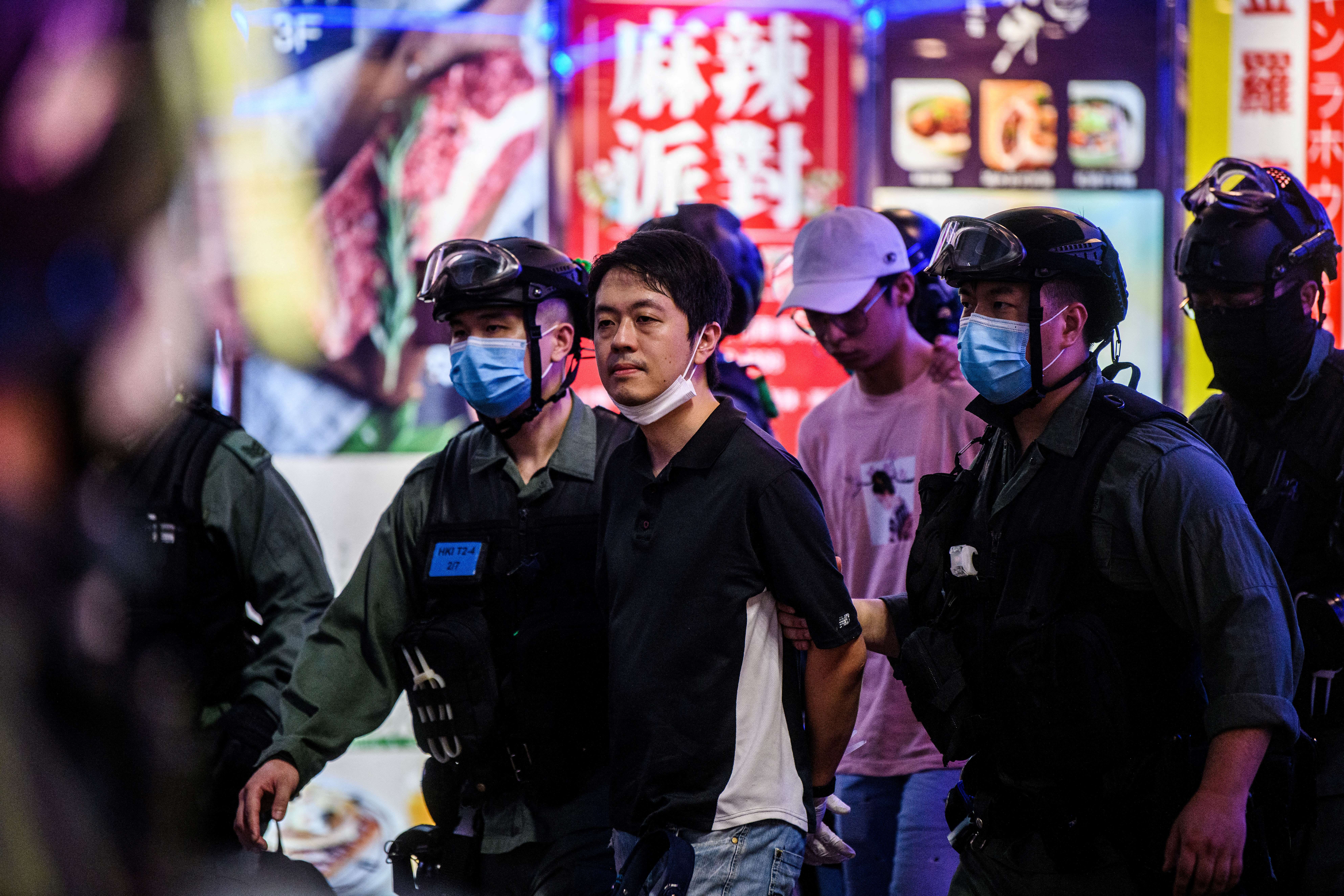
Mr Hui, who is now an Adelaide-based lawyer, said he identifies more closely with Australia today than he did when he arrived four years ago, and said he “believe[s] asylum also carries responsibility”. “My family and I are determined to give back to Australia in every way we can—through our work, our civic engagement, and our commitment to the values of democracy and freedom,” he said.
The Australian government’s “decision reflects values of freedom, justice, and compassion that my family will never take for granted,” he added.
The 42-year-old father, a prominent critic of both the Hong Kong government and Beijing, was one of several overseas activists hit with Hong Kong police bounties of HK$1m (about £94,281) each in 2023.
While these bounties have drawn condemnation from Western governments, they are largely viewed as symbolic gestures, since most of those targeted live in countries with little prospect of extradition to Hong Kong or mainland China.
In Adelaide, where Mr Hui is based, the campaign against him has taken a more personal turn. Earlier this year, his colleagues received an anonymous letter offering $203,000 Australian dollars for information about his movements and family.
Around the same time, fake pamphlets portraying Mr Hui as a pro-Israel lawyer bent on “waging war” against Islamic terrorism were reportedly circulated to local mosques, apparently in an effort to threaten and discredit him.
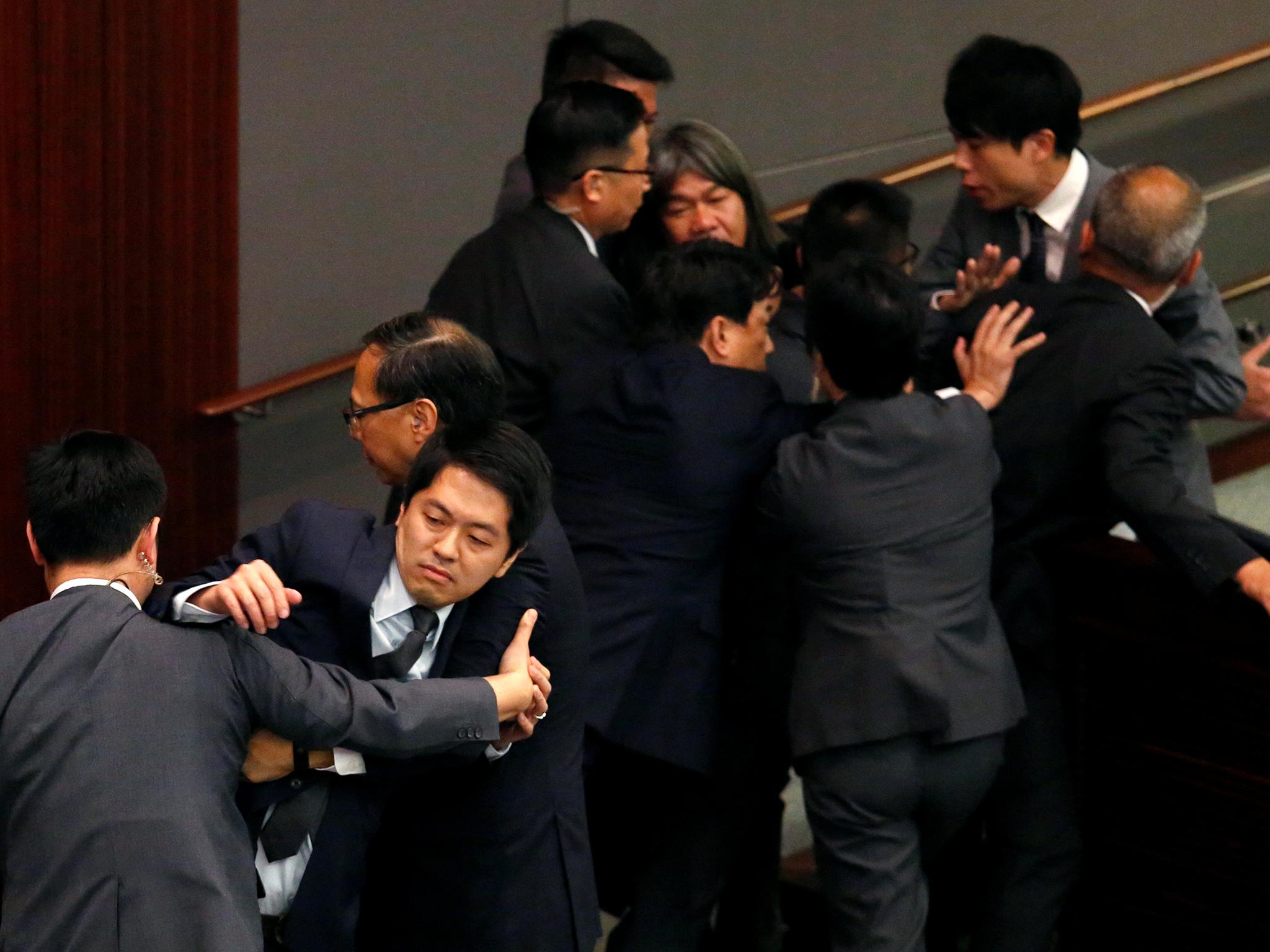
At that time, Mr Hui blamed “the Chinese regime’s long arm” for harassing him internationally.
Mr Hui concluded his post by requesting the Australian government not to forget those still suffering in Hong Kong’s prisons, mentioning a number of activists including Jimmy Lai, the media mogul and British citizen who is currently on trial in the city.
“Australia must do more to rescue them and to speak up for their humanity,” Mr Hui said. “Its stance matters internationally, and its protection of Hongkongers sets a precedent for other democracies.”
The Hong Kong government said in a statement that it was “against the harbouring of criminals in any form by any country”.
Australian prime minister Anthony Albanese visited Beijing last month as part of his administration’s years-long push to improve ties with China, Australia’s number one export market. The relationship suffered a number of blows during the pandemic as both countries hit each other with punitive trade tariffs.
During the visit, Xi Jinping said the China-Australia relationship “has risen from the setbacks and turned around, bringing tangible benefits to the Chinese and Australian peoples”.
