Financial crisis: Thousands of UK firms face collapse amid Iran war and tax increases

The number of UK businesses in “critical financial distress” has soared by more than a third, new research indicates, as fresh economic pressures linked to the conflict in the Middle East add to an already challenging environment.
Hotels and leisure firms are particularly hard-hit, facing mounting labour costs and increased tax burdens over the past year.
According to the latest quarterly red flag report from corporate restructuring specialist Begbies Traynor Group (BTG), a growing number of companies edged closer to collapse in the first quarter of 2026.
The report found that businesses considered to be in “critical financial distress” surged by 36.9 per cent to 62,193 for the period, compared with the same quarter a year earlier.
Concurrently, the number of businesses experiencing “significant” financial distress also rose by 9.6 per cent year-on-year, reaching a total of 634,867.
Firms have contended with a series of tax increases throughout the year, including adjustments to national insurance contributions, further squeezing their finances.
It also comes amid a backdrop of shaky consumer confidence, particularly affecting sectors reliant on discretionary spending habits.
“These challenges have been exacerbated by energy and materials inflation following the outbreak of war in the Middle East towards the end of the quarter,” BTG said.
The survey found that hotels and accommodation firms had the highest level of distress, with 69.3 per cent of these saying they are in a “critical” position.
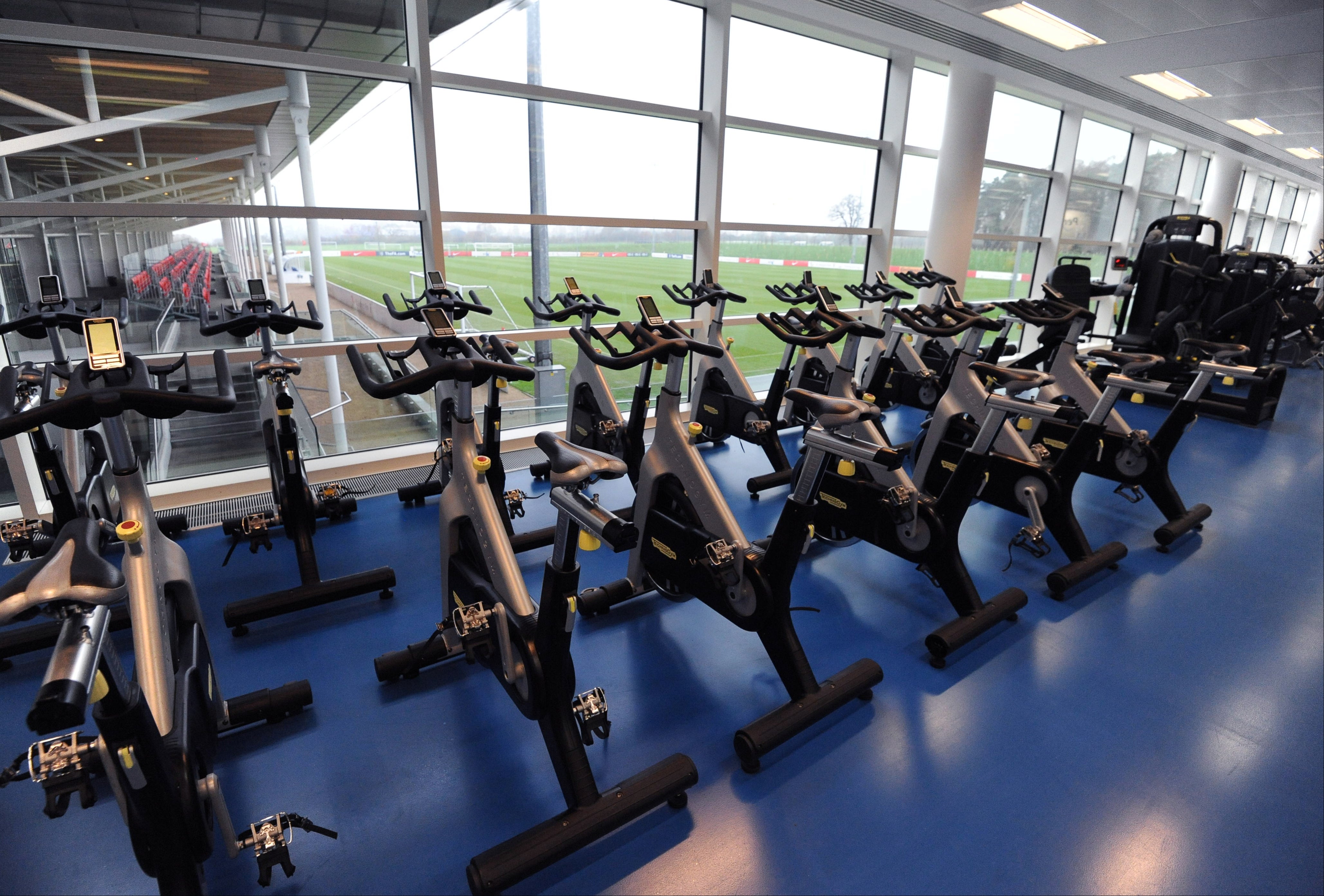
Meanwhile, 65.9 per cent of leisure and culture firms and 51 per cent of sports and health club businesses also said they were in critical distress.
Julie Palmer, managing partner at BTG, said: “Businesses who are reliant on discretionary spending will have been hoping consumer confidence would make a comeback this year, but I fear they will be disappointed.
“Instead, the threat of rising energy bills, inflation, interest rates and unemployment will see people tightening their belts.
“Inevitably we expect to see an increasing number of ‘zombie’ businesses tipped over the edge this year.
“However, we are even starting to see some of the more successful businesses take a more cautious attitude than you might expect as they put cash aside to soak up higher costs and weak demand.”
Ric Traynor, executive chairman of BTG, said: “The shockwaves from a war in the Middle East will be felt across every corner of the global economy for some time to come.
“After initial signs that the UK’s GDP was improving at the very start of the year, it now feels like after taking a step forward, the UK has taken a few steps backwards following one of the most severe energy shocks in living memory.”
