Colon cancer is spiking in young adults. Scientists are blaming the American diet
Rates of colorectal and other gastrointestinal cancers are rising in Americans under the age of 50, researchers said Tuesday.
They may know why. An increased risk of early-onset gastrointestinal cancers is associated with obesity, which is also rising in the U.S. That’s what scientists say is a “leading theory” for the surge – noting a 2019 study that found women who were considered obese had nearly double the risk of developing early-onset colorectal cancer. Close to half of all U.S. adults are predicted to be obese by 2030, according to research released the same year.
The chronic condition can cause inflammation and higher levels of insulin that increases peoples’ risk of getting cancer, including several types of gastrointestinal cancers, according to the Centers for Disease Control and Prevention. Other risk factors include smoking, drinking alcohol, eating a Western-style diet and non-alcoholic fatty liver disease.
Earlier this year, new research pointed to the impact of a toxin in the gut, known as colibactin, that can inflict DNA damage on colon cells that leads to the development of cancer. Colibactin is produced by the bacteria E. coli, which is often responsible for foodborne illness.
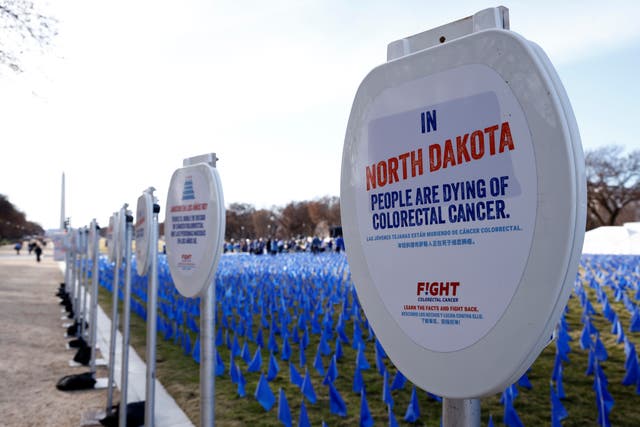
As of now, the specific cause remains unclear but the U.S. is not alone, researchers said.
“The incidence of GI cancers in adults younger than age 50 is rising globally,” explained Boston’s Dana-Farber Cancer Institute oncology fellow Dr. Sara Char.
Gastrointestinal cancer rates in the US
In the U.S., scientists found that early-onset cases have shown a “marked increase” in both American men and women since the mid-1990s.
In comparison to American adults born in 1950, those born in 1990 have twice the risk of developing colon cancer and four times the risk of developing rectal cancer, the researchers found.
Furthermore, early-onset colorectal cancer has become the leading cause of cancer-related deaths in U.S. for men under 50. For women in the same age group, it’s the second-leading cause of cancer-related deaths.
Colorectal cancer, the most common type of gastrointestinal cancer, also affects Black, Hispanic, Indigenous, and Asian people disproportionately.
Changing treatment
These and other related findings signal a worrying shift — and potentially a need for updated treatment practices, the researchers noted.
Patients with early-onset colorectal cancers often experience delays in diagnosis because neither doctors, nor their patients, suspect cancer and doctors are more likely to diagnose patients when they are at advanced stages of the disease. Younger patients are more likely to receive aggressive treatment, “often without a survival advantage,” they said.
Colorectal cancer is the third-leading cause of cancer-related deaths in American men and the fourth-leading cause in women. Overall, it’s the second most common cause of U.S. cancer deaths, and the American Cancer Society says it’s expected to cause about 52,900 deaths this year.
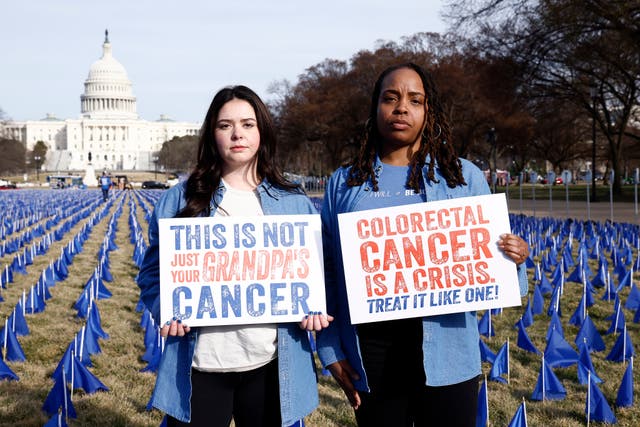
The researchers pointed out that younger patients are more likely to experience financial hardship because of their diagnosis and problems with body image and mental health, as well as a worse quality of life.
“Ongoing research efforts investigating the biology of early-onset GI cancers are critical to developing more effective screening, prevention, and treatment strategies,” Char, the paper’s lead author, said.
The paper was published by Oxford University Press in the journal BJS.
