FIRE saving plans don’t work any more – so what are people doing instead to retire early?

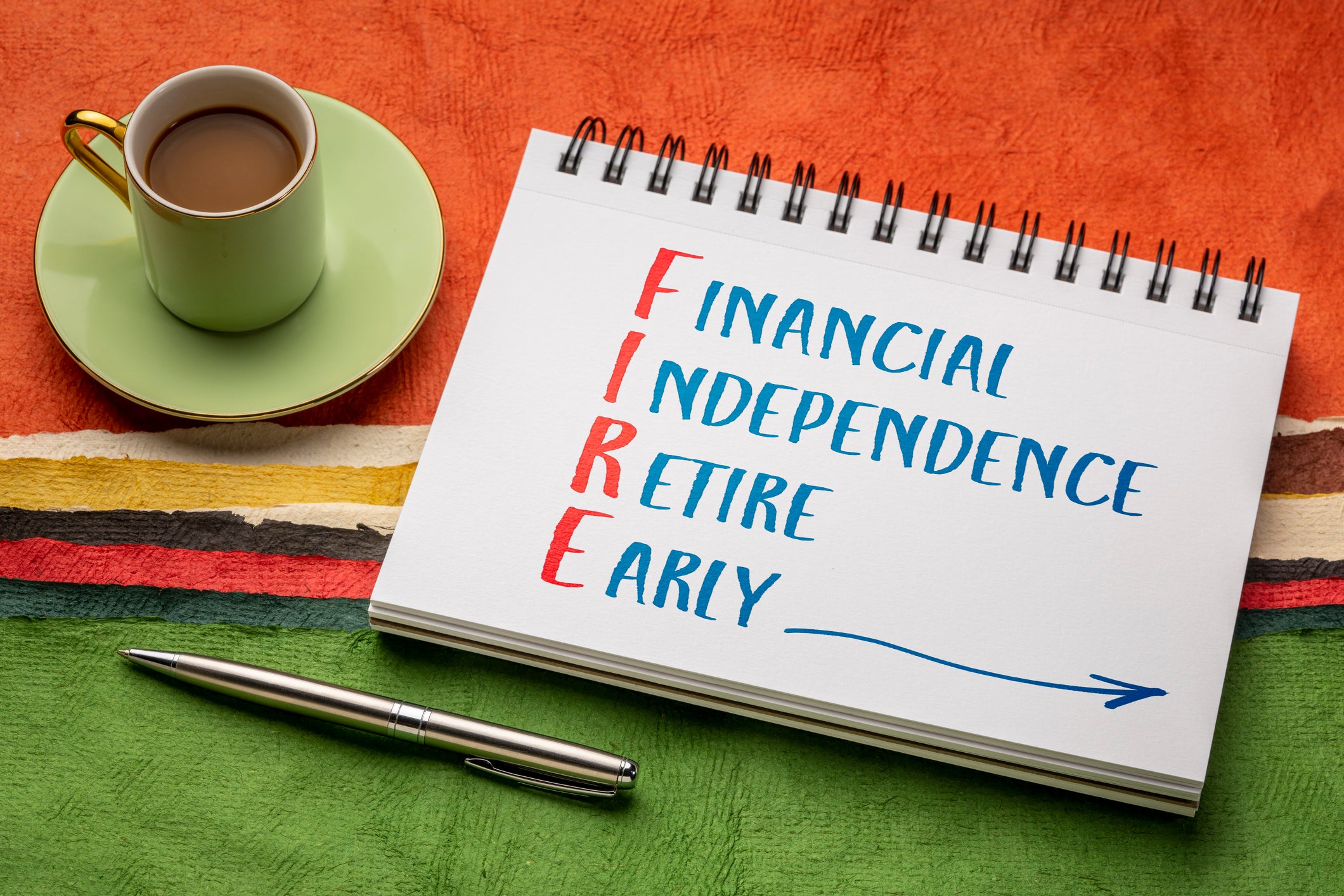
A movement known as FIRE – the dream of Financial Independence and Retiring Early – was all the rage during the pandemic as people started investing in stock markets and putting in place extreme saving strategies to be able to quit work in their 40s.
But as salaries stagnate, costs of living continue to rise and unemployment rates push up, people looking to retire early are increasingly eyeing ways to modernise the key tenets of FIRE, adapting their philosophies to modern market conditions.
The original principles of the FIRE movement were to put away a large portion of income into savings and invest it.
Over the years, gains from indexes such as the S&P 500, the Nasdaq Composite or Vanguard ETFs – which have in recent decades provided good returns – would compound to generate high incomes and allow people to retire decades early.
FIRE hazards
One threat to those principles is that markets are now facing significant turmoil and downturns, in part due to the war in Iran and artificial intelligence disruption. That means people looking to retire early might be facing losses in their portfolios.
Still, FIRE enthusiasts recommend saving and investing consistently. Setting up automatic monthly investments to save up can add up over time.
The second worry is inflation. Prices have risen as a result of global conflicts, including in Ukraine and Iran.
Bad inflation, like that of the 1970s, can quickly rip a hole in a retirement portfolio.
For some, one way to still stay on track is to adopt a stricter lifestyle with limited spending and multiple income streams.

Instead of one full-time job, many people are looking to have several gigs. They might try consulting, tutoring, monetising digital products, or renting properties to earn extra income based on the assets and skills they’ve acquired over their working lives.

Get a free fractional share worth up to £100.
Capital at risk.
Terms and conditions apply.
Go to website
ADVERTISEMENT
Get a free fractional share worth up to £100.
Capital at risk.
Terms and conditions apply.
Go to website
ADVERTISEMENT
Changing the equation
As for cutting spending, some people look at extreme savings, including UK-based Alan Donegan, 47, and his partner, Katie, 41. The couple retired a few years ago with over £1m in savings.
The first thing they did was to look closely at their expenses. Then they figured out which sacrifices they were willing to make.
Some of the compromises the couple made included turning off the heating during the winter months, fixing broken appliances instead of replacing them, and spending less on new clothes and gifts.
They also charged their phones while out in cafes, hunted for grocery vouchers and chose not to upgrade their car or house.
“People thought we were extreme, but we were laser-focused on buying freedom,” said Donegan.
Besides extreme saving strategies, people of the FIRE community are increasingly considering investing in a more diversified portfolio, rather than simply passive index funds.
They’re also looking to store cash in more rewarding accounts to fight off inflation, such as high-yield savings accounts, or inflation-indexed bonds.
A number of people who want to retire early are also targeting investments in assets not correlated to each other to help mitigate risks of lower market values. This allows for flexibility to choose where to source withdrawals during downturns.
How much do you need to retire early?
As for retiring, a number of FIRE enthusiasts plan for a higher level of wealth before bowing out, to make up for higher inflation and potentially lower returns.
While a few years ago, many envisaged £1m to £1.5m invested was enough to retire, they now look to reach wealth closer to £2.5m as a target.
Mindy Jensen, who runs a site about FIRE strategies called 1,500 Days to Freedom, says people on the path to FIRE are now also less focused on money and more on work-life balance, incorporating flexibility into their current lives to make saving sustainable.
The concept of “Barista FIRE,” for instance, zeroes in on saving enough money to live off investments for most expenses, then taking a part-time job to cover any remaining costs.
Another called “Coast FIRE” points to an income target that once invested can accrue to secure a healthy retirement. Individuals can then stop aggressively saving and take on a less-pressurised job instead.
“They’re not trying to run away from their lives or build something great in the future but instead are focused on enjoying life now,” she said. “That seems more manageable.”
When investing, your capital is at risk and you may get back less than invested. Past performance doesn’t guarantee future results.
