Fordow, Natanz and Isfahan nuclear sites: What was in the Iranian bases Trump bombed?

President Donald Trump announced Saturday that the U.S. struck three major Iranian nuclear sites: Fordow, Natanz, and Isfahan.
Trump said the sites had been “totally obliterated” while issuing a warning to Iran in an address from the White House on Saturday night.
“There will be either peace or there will be tragedy for Iran, far greater than we have witnessed over the last eight days,” Trump said. “Remember, there are many targets left.”

“Tonight’s was the most difficult of them all, by far, and perhaps the most lethal,” he added. “But if peace does not come quickly, we will go after those other targets with precision, speed and skill, most of them can be taken out in a matter of minutes.”
B-2 bombers dropped six 30,000-pound bunker buster bombs on Fordow, while U.S. submarines fired 30 Tomahawk missiles at Natanz and Isfahan, Trump revealed. Iranian officials announced there were “no signs of contamination” following the attacks, according to the Associated Press.

Iran operates more than 30 facilities that carry out different steps of the nuclear fuel cycle, many of which have been hit by the latest Israeli strikes. Here’s what we know about the three major sites the U.S. hit on Saturday:
Fordow Fuel Enrichment Plant
The Fordow Fuel Enrichment Plant is buried about 300 feet underground near the Iranian city Qom.
The plant is designed to produce enriched uranium, which can be used to fuel nuclear weapons. The heavily fortified plant had an estimated 2,700 centrifuge machines, which are essential to the enrichment process.
Fordow has always been the main object of international concerns regarding Iran’s progress on uranium enrichment.
“The significantly increased production and accumulation of highly enriched uranium by Iran, the only non-nuclear-weapon state to produce such nuclear material, is of serious concern,” the International Atomic Energy Agency said in a May report.
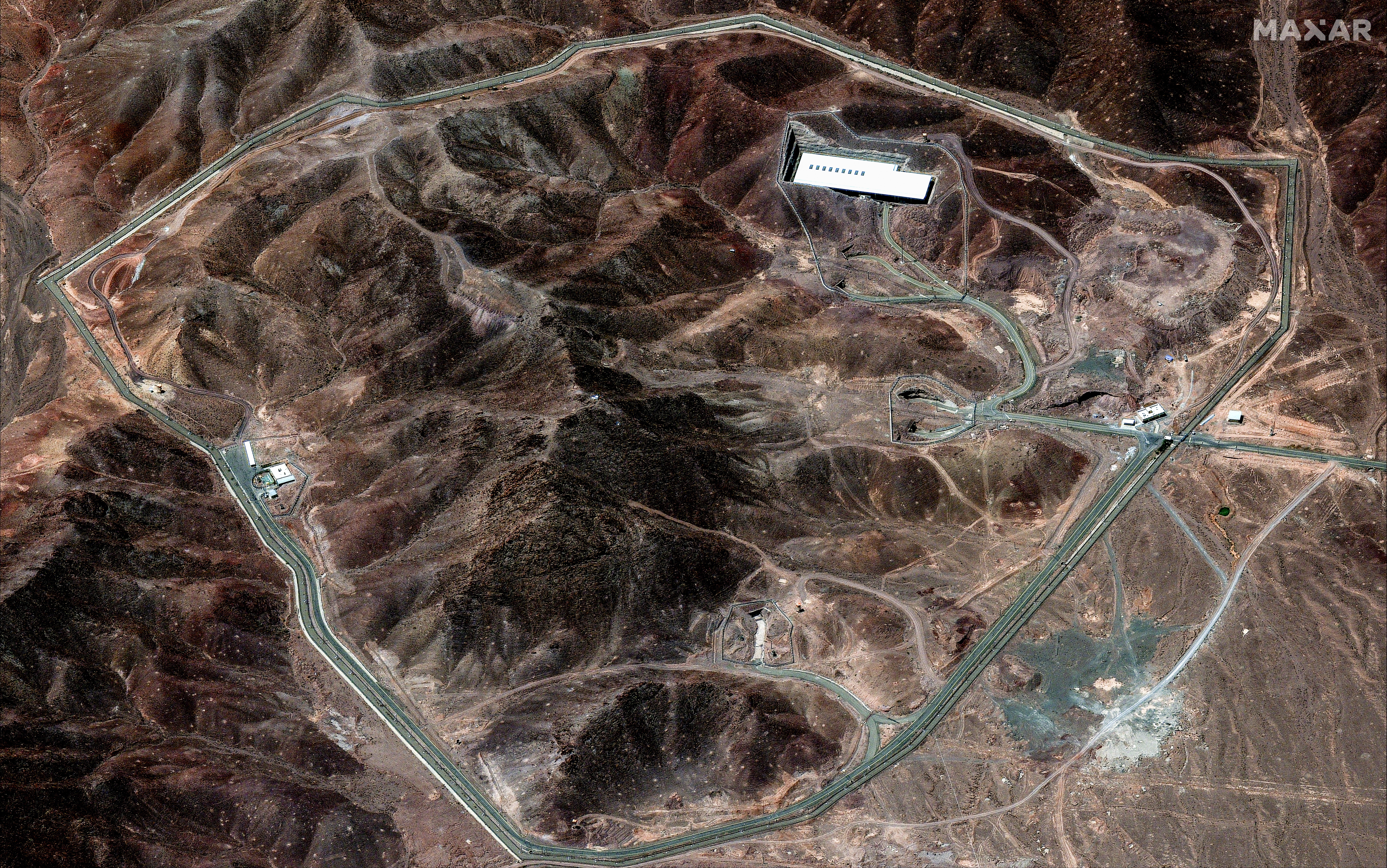
Natanz Nuclear Facility
Natanz Nuclear Facility, located about 150 miles south of the nation’s capital Tehran, is considered the country’s largest uranium enrichment plant.
Intelligence indicates the facility is used to build centrifuges for uranium enrichment, according to the non-profit Nuclear Threat Initiative. The plant has six above-ground buildings and three underground facilities. Two of those underground buildings can hold 50,000 centrifuges.
As of October 2022, Iran had installed 4,000 advanced centrifuges in enrichment facilities across the country — a 44 percent increase from two months prior – according to the Nuclear Threat Initiative.
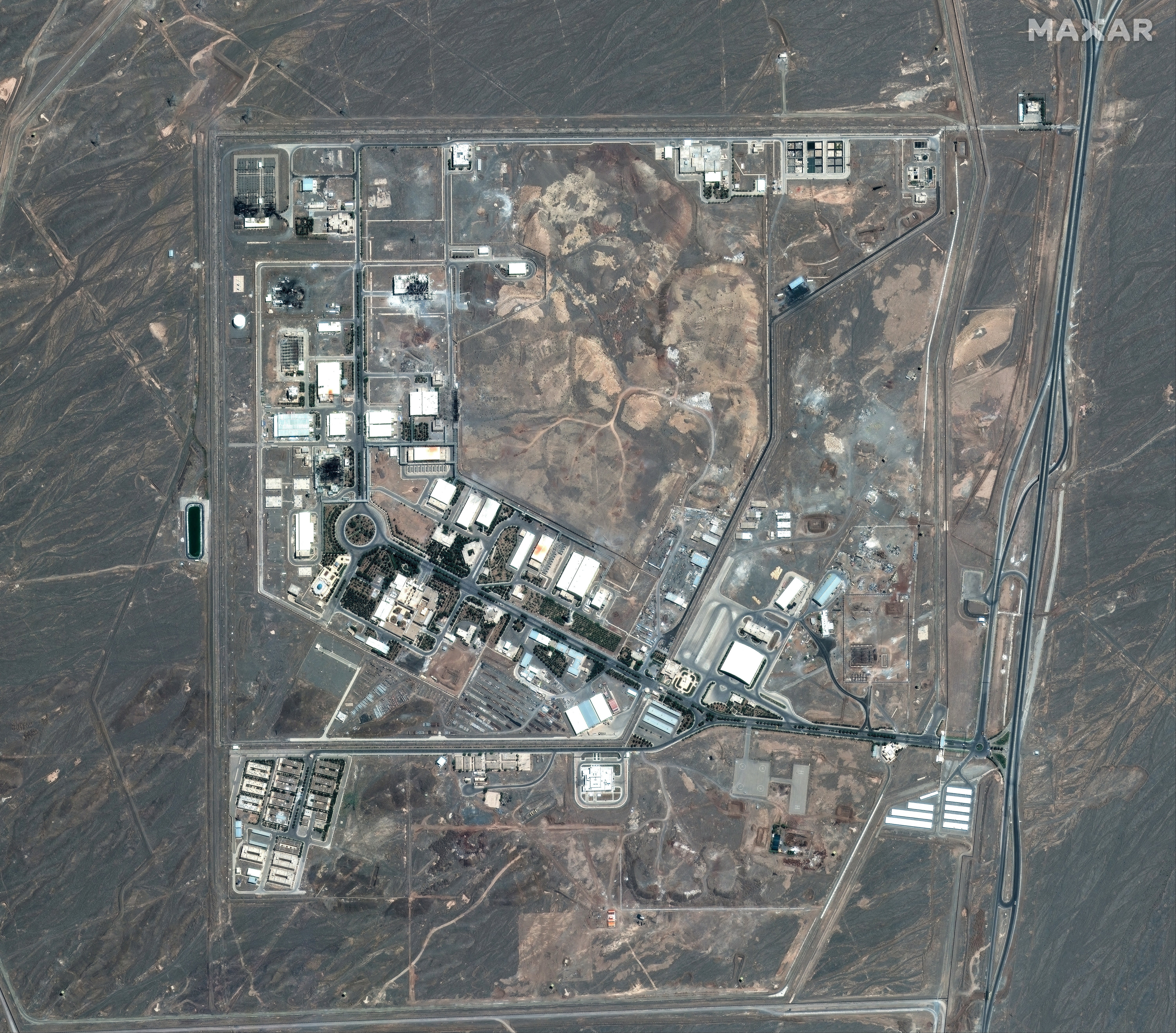
Isfahan Nuclear Technology Center
The Isfahan Nuclear Technology Center in central Iran is the nation’s largest nuclear research complex. An estimated 3,000 researchers work at the center, which was built in 1984 with Chinese assistance, according to the Nuclear Threat Initiative.
The facility is believed to operate three small research reactors supplied by China. It also operates a uranium conversion facility, a fuel production plant and a zirconium cladding plant — all of which play roles in the development of nuclear power plants and weapons.
Israel struck the center earlier this month, but the extent of the damage ahead of the U.S. strikes is unclear, the Nuclear Threat Initiative said.
