From Crisis Mode to Operational Confidence: How UK SMEs beat the growth trap
.jpg?trim=1%2C0%2C1%2C0&width=1200&height=800&crop=1200%3A800&ssl=1 "From Crisis Mode to Operational Confidence: How UK SMEs beat the growth trap")
Britain’s business owners have survived a rollercoaster of crises over the past 15 years. After the global financial crash came Brexit, then a pandemic, an energy shock, a cost-of-living squeeze and persistent geopolitical turbulence – each arriving in such rapid succession that any kind of planning was limited to the next quarter.
But that is now changing, according to Chris Loring, Head of Commercial Lending at Lloyds. With a customer base of more than one million UK small and medium-sized enterprises, the bank has a front-row view of the market and is tracking a clear “transition.” “Firms are moving from managing shorter-term pressures to thinking longer-term.” The repeated shocks of recent years have, paradoxically, made many businesses stronger. “Business owners who have steered their companies through Covid, through supply chain chaos and double-digit inflation have developed a kind of operational confidence that earlier generations may not have honed,” Loring adds. “They know their numbers and their risks, more and more are looking for growth opportunities, and increasingly, they know what they want to do to achieve that growth.”
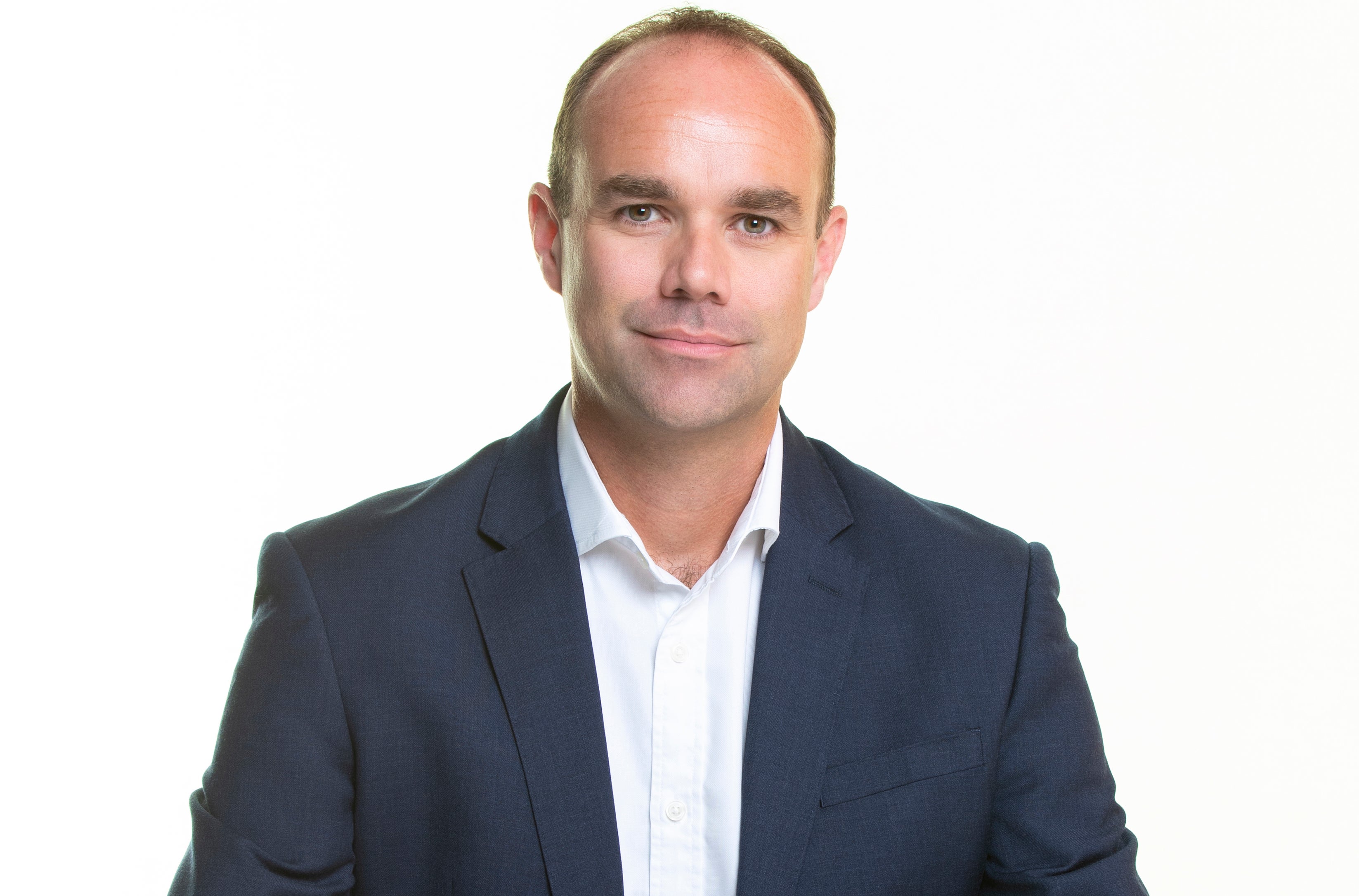
There’s been a pivot from reactive to strategic, with businesses being more inquisitive about how to fund growth. “In recent months, many of our SME customers have switched from focusing on securing cash to cover costs, to asking relationship managers, ‘this is what I want to achieve in the next two to three years: what is the most efficient way I can finance it?’
“There’s been a realisation about the cost of inaction,” Loring says. “If a business is focused on growth using cash funds, it may miss out on opportunities to win more contracts, buy new machinery or scaling into new markets to be more successful. If you understand the rate at which you can grow using your own funds versus borrowing at an understood interest rate, the maths often makes a compelling case for borrowing.”

Historically, the UK lags behind international rivals when it comes to borrowing to invest. Just 24% of British businesses sought finance in the last three years, according to the British Business Bank’s Small Business Finance Markets. A Bank of England report also found 70% of the UK’s SMEs prefer to grow more slowly rather than take on external capital. “That’s a lot more risk-averse than our international peers, and moderates growth for both businesses and the UK’s economy overall,” Loring warns.
The end of an era of record-low interest rates threatens to maintain that trend. With the Bank of England base rate having risen to more historically normal levels, business owners are thinking harder about return on investment. “They’re looking very hard at whether their investment will generate enough return to justify the cost, which is good practice,” Loring says. “Businesses now are prioritising higher-growth investments that boost productivity, or sustainability, which usually also leads to lower overall running costs. There’s a very considered move towards building up headroom for investment.”
Cash flow to growth capital
The product mix businesses are looking to deploy is also evolving. While traditional overdrafts and term loans remain important for some businesses, Loring describes a growing appetite for more sophisticated tools.
Asset finance – spreading the cost of vehicles, machinery, and equipment over several years rather than buying them outright – is becoming a mainstream choice. This allows businesses, especially in the logistics sector, to preserve their cash reserves for immediate operating needs rather than tying up capital in depreciating assets.

By contrast, invoice finance targets the other side of the balance sheet. By unlocking cash trapped in unpaid bills rather than waiting 30, 60, or 90 days for customer payments, firms can inject immediate liquidity back into their day-to-day operations.
Ultimately, it is a calculated effort to better align short-term working capital with long-term investment. By deploying these targeted tools to keep daily operations fluid, business owners ensure they have the structural headroom required to fund their broader growth ambitions.

Green finance is also gaining traction. Soaring energy prices have seen a surge in demand for British manufacturers to invest in solar panels and energy-efficient equipment. Increasing numbers of Lloyds customers are opting for its Clean Growth Finance Initiative – a green lending programme by Lloyds that offers small and medium-sized businesses discounted, fee-free financing to fund investments that lower their environmental impact. These help to pay for sustainability improvements, freeing up their capital for research and development. “The investment case is clear because such improvements bring down the cost of running a business,” Loring adds. “Total cost of ownership is really the key thing businesses are considering.”
Getting the timing right
While investment product choices are highly specific for each of the UK’s SMEs, Loring highlights one universal shift in mindset: viewing finance as a strategic enabler for growth rather than a last resort. “When firms realise how finance can be a strategic enabler to unlocking growth, and work closely with a bank, sharing information early, it means that when any projects need financing—say, an acquisition opportunity comes along—the relationship manager can engage the credit team early, and be ready to act fast.”

For Lloyds, Loring explains, this relationship has to go far beyond simply providing a bucket of capital, enabling the underlying business objective, not just the loan itself.
“We see our role as more than just a lender,” he says. “We want to pair that funding with genuine, sector-specific insight. With a network of over 1,000 client-facing specialists across more than 50 UK locations, our experts can work closely with a business to help validate their business case, ensure the finance aligns perfectly with the project’s key milestones, and structure the loan to match the expected payback period. Doing that upfront work doesn’t just reduce risk—it can ultimately lower the total project cost for the business.”
By contrast, when a customer engages later, or calls in crisis mode, it can be more difficult to match the right finance options at a pace. “From my 25 years working in commercial banking, I’ve realised that businesses that have clear goals, solid financial information and a realistic investment horizon get faster decisions and better outcomes.”

That relationship – deploying a bank as a trusted collaborator for an SME, rather than a last resort – is the model Loring believes more UK businesses will adopt in the coming months. For the year ahead, the fundamentals for SMEs, he argues, are better than some headlines may suggest. Easing inflation, steady interest rates, and a generation of resilient business owners that are battle-hardened by successive crises know how to make their money work hard. There’s a vast growth opportunity for those willing to take it, Loring believes. “Businesses that invest, and can borrow money to invest, grow faster,” he adds. “The ambition is there. It’s about unlocking it.”
All lending is subject to status. Eligibility criteria apply. Lloyds Bank data correct as of April 2026. Figure includes clubs, charities and societies.
Lloyds and Lloyds Bank are trading names of Lloyds Bank plc. Registered Office: 25 Gresham Street, London EC2V 7HN. Registered in England and Wales no. 2065. Telephone: 0207 626 1500.
Authorised by the Prudential Regulation Authority and regulated by the Financial Conduct Authority and the Prudential Regulation Authority under Registration Number 119278.
