How latest rise in oil prices will affect cost of petrol and inflation

As the Iran war continues to escalate, all eyes are on the price of oil as fears mount over a global energy crisis.
Brent prices spiked earlier this week, reaching almost $120 per barrel, and are currently around 40 per cent higher than they were when the first strikes on Iran were launched by Israel and the US at the start of the month.
In retaliation, Iran kept its stranglehold on shipping through the Strait of Hormuz, the strategic waterway through which a fifth of the world’s oil transits on its way from the Persian Gulf to the open seas, crippling oil prices.
So how does this affect you? Oil prices, benchmarked globally by Brent crude from the North Sea, fluctuate based on supply and demand.
The longer that the price of oil is high, the more difficult it is to absorb those spikes, making it more likely people will feel the cost at home.
Beyond higher heating bills, rising oil costs increase manufacturing and transport expenses, inflating the prices of food and most other goods and services.
“You never know exactly the timeframe of this, but, in the worst case, this is a weeks, not a months thing,” US energy secretary Chris Wright said earlier this week. But the longer it goes on, the more likely it is that prices remain higher afterwards.
Here is what will be affected by the ongoing conflict:
Petrol
Iran has cut its oil output drastically, now only producing a quarter of what it was before the first US strikes fell.
“This is roughly 3 per cent of global oil supply lost in a single event. Shockingly, this is worse than the oil supply situation after Russia attacked Ukraine,” noted XTB research director Kathleen Brooks.
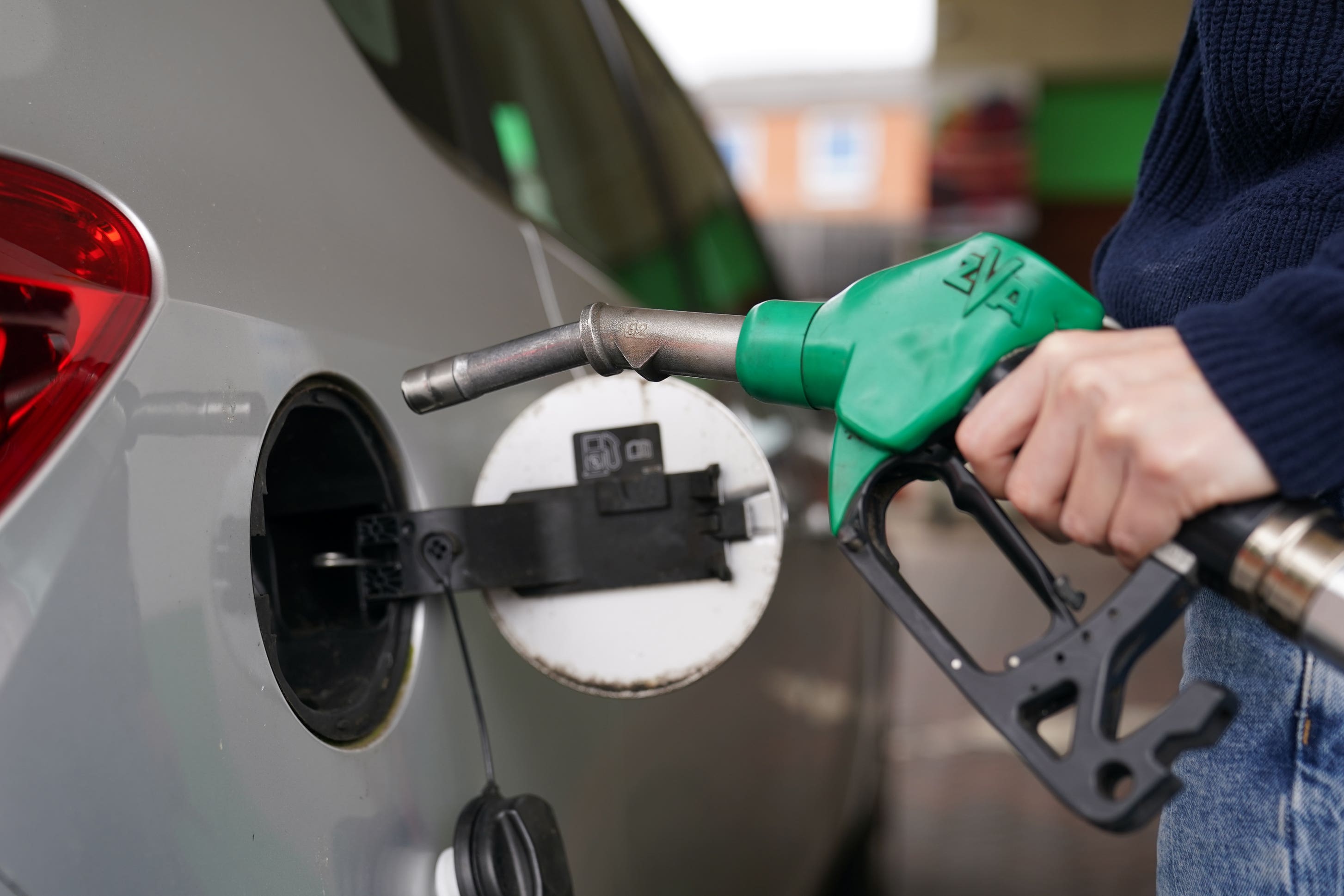
Petrol prices in the UK have been rising since the conflict in the Middle East started, up between 4p and 8p to hit their highest in nearly 20 months.
The RAC said diesel prices had risen by nearly 9 per cent since 28 February. Petrol prices were on average 6 per cent more across the same period.
The government has said drivers can compare prices at different petrol stations across the UK through its fuel finder scheme, which has also been welcomed by the AA.
The cost of heating oil has already doubled, which affects customers using home heating oil, as it is not covered by Ofgem’s energy price cap.
Inflation and interest rates
While we don’t know the figures just yet, we do know that if costs of energy, raw materials and labour go up, prices go up in response- this is inflation.
If prices start to surge again, one of the key measures the Bank of England has to control inflation is to raise interest rates.
“Markets are already pricing in the unwelcome return of uncomfortable levels of inflation, with bond yields rising significantly and investors eyeing the UK as particularly sensitive to an energy shock,” Danni Hewson, head of financial analysis at AJ Bell, said.
“Preventing inflation from spiralling once again will be at the forefront of rate setters’ minds when they sit down to rewrite the Bank’s playbook next week.
“The key consideration will be the duration of the conflict, and whether it ends decisively or if attacks on shipping and energy infrastructure continue beyond any declaration of victory by the US president.”
Mortgages
The interest rate going up means you pay more on the amount you’ve borrowed, if you don’t have a fixed deal.
Some lenders have now raised their rates on new fixed-term mortgages. NatWest, TSB, HSBC, Nationwide, Santander, the Co-operative Bank and Skipton Building Society are among those to have done so in the past week or so.
Typically, mortgage deals on the market don’t change in direct line with the Bank of England base rate, they move up and down in anticipation of what might happen in future – with the swap rates, as they are termed.
Up until recently, mortgage prices had been headed downwards, but with this new threat to a possible rise in interest rates, swap rates have edged up.
Stock market and pensions
If inflation and interest rates are potentially heading up, the opposite is currently true for the stock market.
The FTSE 100 fell more than 5 per cent across last week after the chaos in the Middle East began.
