How Russia is preparing for conflict in Nato’s new Arctic battleground

At its nearest point, Alaska is just 2.4 miles from Russia. In the remote Bering Sea, Little Diomede island (US) lies next to Big Diomede island (Russia).
In between them sits the International Date Line which means the American island, also known as Yesterday, is 21 hours behind its Russia neighbour, unsurprisingly dubbed Tomorrow.
This quirk of geography and history appeals to Putin, not only literally putting him ahead in the sense of time, but also ahead in politics – because that’s where he’s winning the race for control of a vast region that is opening up, thanks to climate change.
For as the Arctic increasingly melts, it is Russia and Putin that are taking advantage.
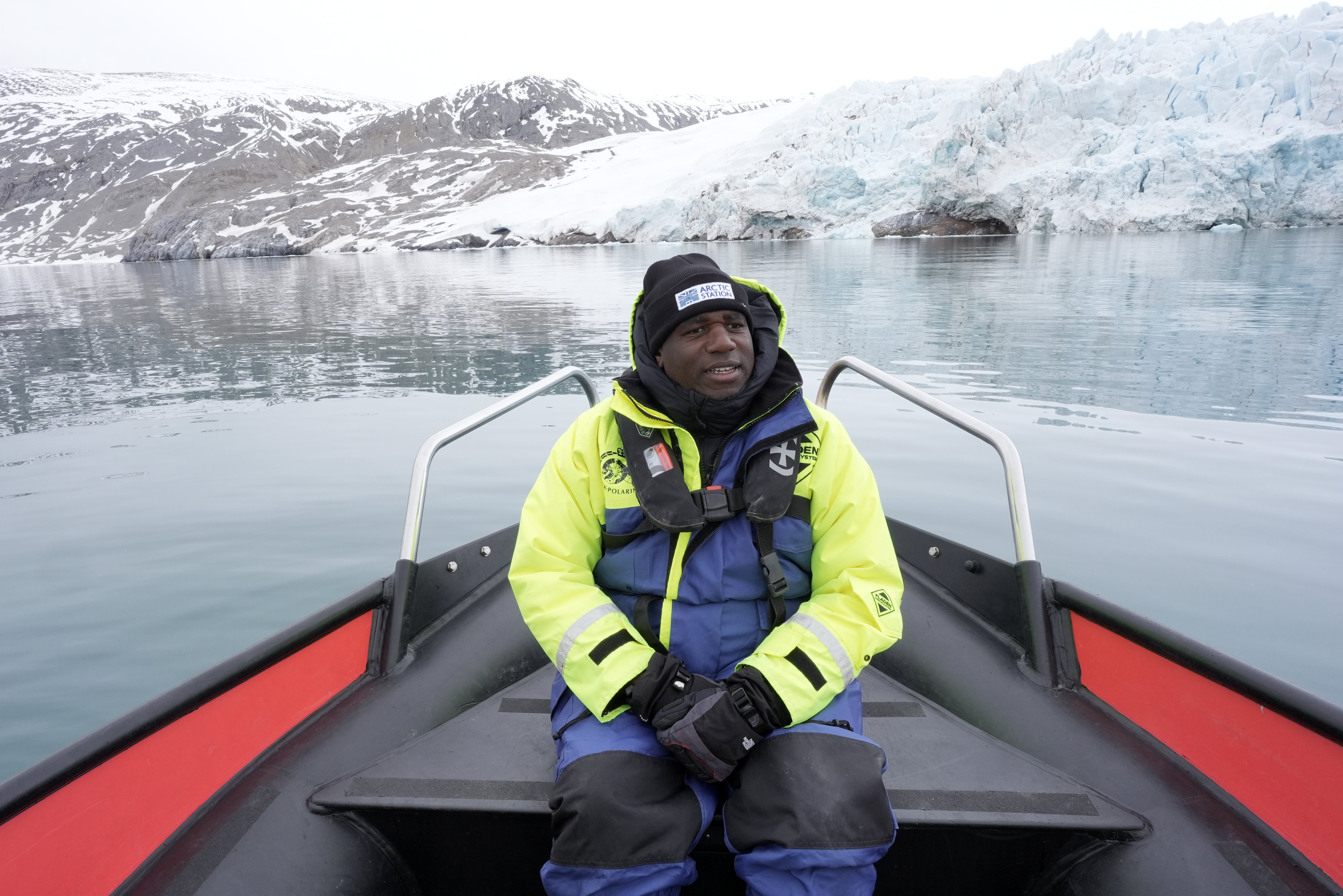
“This region is at the centre of Nato’s security. This is Nato’s northern flank… Russia’s military presence particularly, has been growing now for years,” warned foreign secretary David Lammy on a recent trip to the High North.

“This area is hugely, strategically important as the ice caps melt. It opens up potentially new gateways. Suddenly you can do shipping in areas where you couldn’t before.
“My visit is about deterring the threat from Russia, just as it is about tackling the threat of climate change.”
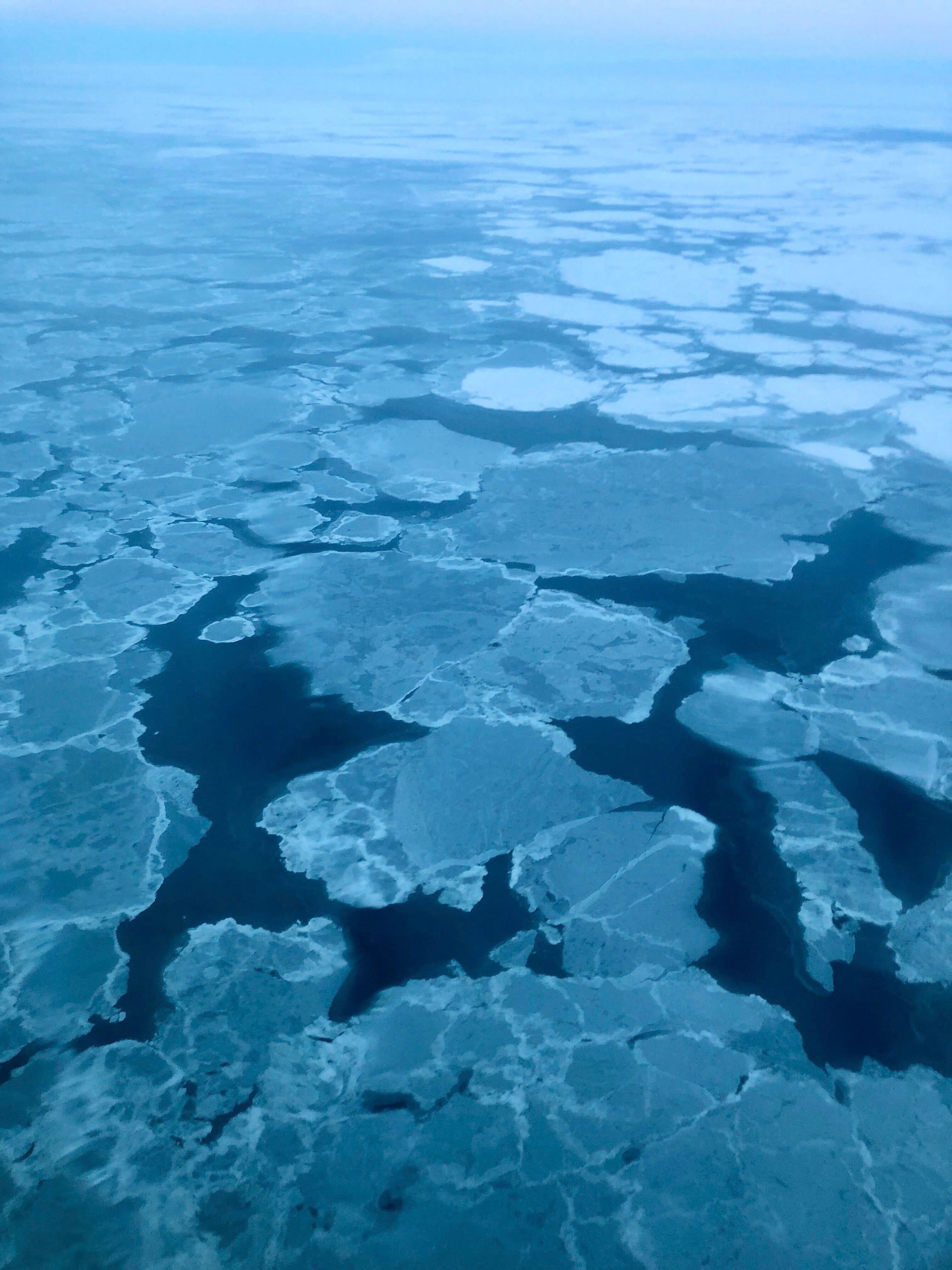
Russia is working hardest to dominate the Arctic because it has most to gain from the opening of these routes. The melting Arctic ice cap is an economic and military opportunity that Moscow has not missed.
Recently, it expanded its fleets with its binoculars trained on Arctic dominance. The newly built Arktika-class nuclear icebreakers, such as the Arktika and Sibir, are among the most powerful in the world.
They are capable of ploughing through ice up to 2.8 meters thick and operating all year-round.
By the end of this year, Russia plans to operate a fleet of over 20 nuclear and diesel-electric icebreakers – and will lead the world in carving through the Arctic.
In reply, the US Coastguard has three icebreakers and one on order. The UK has none.
This Russian fleet enables Moscow to lead the search for the vast mineral resources, including fossil fuels, that are locked up beneath the melting ice.
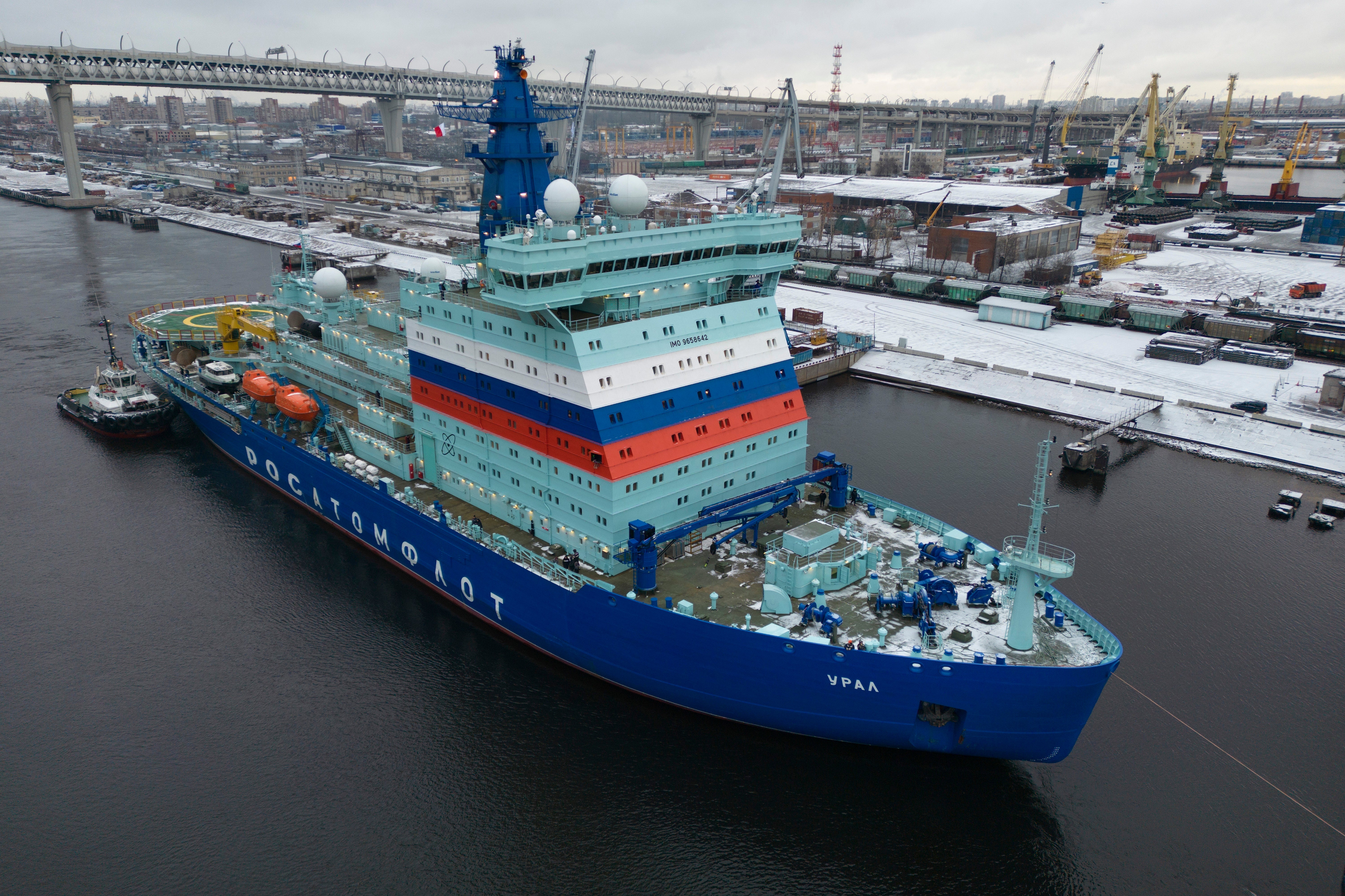
Icebreakers also allow it to control shipping routes and assert military dominance over the emerging region.
According to the National Snow and Ice Data Center, the Arctic sea ice has declined by about 40 per cent since satellite observations began in 1979, with record lows in recent years. That means new shipping routes can be opened and probably kept open – by Russia.
The Northern Sea Route (NSR), which runs along Russia’s Siberian coast from Murmansk to the Bering Strait, is at the heart of the Kremlin’s strategic push into the Arctic.
This route used to be impassable for most of the year. Satellite and climate data now reveals that the navigation season along the NSR has stretched from only 60 days a year to double that now. Year-round transit is around the corner.
The distance between Asian manufacturing hubs like China and Europe is being cut by approximately 40 per cent, saving millions of dollars in fuel and transit time. Trips from Shanghai to Hamburg via the NSR take around 15 days, compared to roughly 30 days via the Suez Canal.
That’s an economic bonus that Russia wants to own. It is likely to come into conflict with the rest of the world if Moscow insists on collecting tariffs for using an international shipping route – which it hopes to do.
Already Russia uses its ports in the High North for moving sanctioned crude oil in its “shadow fleet” which help fund Putin’s war against Ukraine.
Norway operates the biggest satellite observation network in the world from the Svalbard archipelago and can see Russia’s illegal oil exports leaving its northern ports.
“It’s this satellite ground station that helps us see the movement of Russia’s shadow fleet and ultimately helps us to thwart Putin’s ability to fund his war,” Lammy said.
“The High North has always been important to the security of the whole alliance. This is one of the regions where Russia can move out and towards the west.”
The UK’s Royal Marines play a key role in Nato’s cold weather warfare and Lammy insisted that Britain is crucial in defending Nato’s northern flank with what is called the Littoral Response Group.
But the Royal Navy does not have any amphibious ships to move the commandos, and its real contribution is very light compared to the Nordic countries and the US.
This puts further strain on the whole of Nato’s operational readiness as Ukraine is the focus of so much effort.
Russia’s Northern Fleet has deployed advanced nuclear-powered submarines, including the Borei-class and Yassen-class vessels, capable of launching strategic missile strikes from under the ice.
They give Moscow a second-strike nuclear capability, which ensures its place among the superpowers.
To consolidate its position, Russia has constructed new military bases and upgraded existing ones in Franz Josef Land and Novaya Zemlya.
These are the real inroads into the Arctic – taking advantage of the rapid rate of climate change – that means the rest of the world needs to sit up and take notice.
By holding his first face to face talks with Putin of his presidency in this remote land, Trump may have inadvertently shown the world another clear and present damage from Putin.
