Oil prices tumble and markets rebound after Trump announces Iran strike pause

Oil prices have eased back and financial markets pulled out of their tailspin after President Donald Trump said the US would pause strikes against Iran energy and power infrastructure for five days amid talks to end the conflict.
Brent crude swiftly fell as much as 10%, later settling around 8% lower at just under 104 dollars a barrel, following the post on Mr Trump’s Truth Social platform, having earlier hit around 114 dollars a barrel.
In financial markets, London’s FTSE 100 Index swung wildly from nearly 250 points lower at one stage to stand just 8.6 points down at 9,909.74 in highly volatile trading.
In Europe, the Dax in Germany and France’s Cac 40 also reversed steep early session falls to stand 1.5% and 1.4% higher respectively.
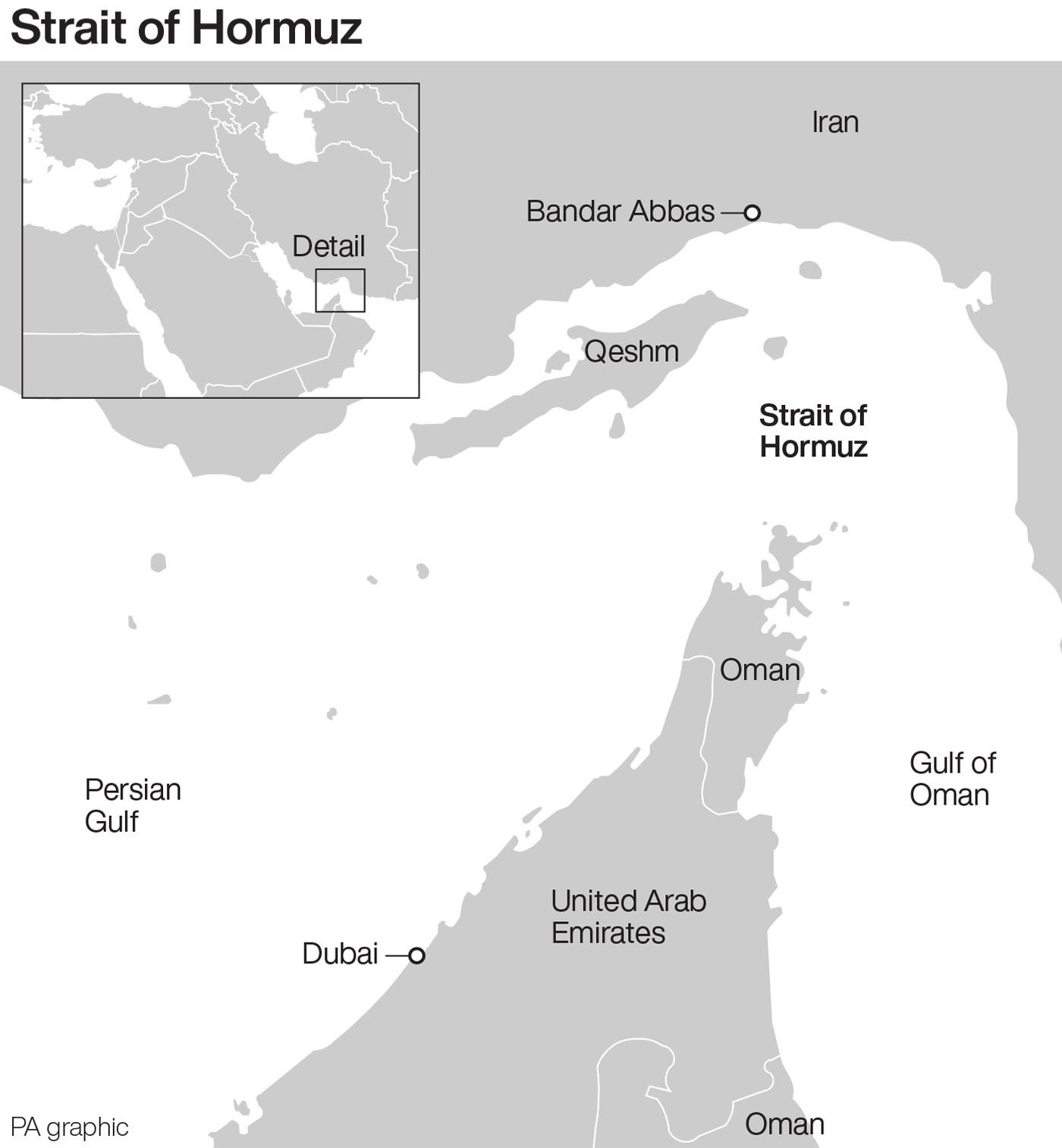
Markets rallied on hopes that the “very good and productive” talks Mr Trump referred to could bring an end to the war and help see the Strait of Hormuz key shipping route for oil and gas reopened.
Chris Beauchamp, chief market analyst at IG, said: “Trump has sprung his usual surprise on markets, pausing strikes on energy infrastructure as a result of successful talks.
“But this leaves big questions unanswered – Hormuz remains closed, the damage to energy infrastructure is still there and it is unclear whether air strikes on other targets will continue.
“While this was the headline investors have been hoping for, the fact that Brent has rebounded back above 100 dollars shows that markets remain sceptical.”
Prime Minister Sir Keir Starmer is heading an emergency Cobra meeting on Monday after a call on Sunday with Mr Trump to discuss reopening the Strait of Hormuz after they both agreed it was “essential” to stabilising global energy markets.
The US president had over the weekend set a 48-hour deadline that ends just before midnight UK time on Tuesday, warning Iran that the US would attack its power stations unless the country releases its grip on the strait.
But Iran had said it will retaliate by striking electrical plants across the Middle East if Mr Trump follows through on his threat.
The latest comments from the US president raised hopes that talks with Iran can avoid further devastating strikes by both sides.
Neil Wilson, a senior UK investor strategist, said he was treating Mr Trump’s comments “with caution”.
He said: “It’s incredibly difficult to trade these markets when Trump is swinging between massive escalation and declaring peace/victory, but the market is happy for now that we do not enter a new phase of danger.”
UK Government bonds, also known as gilts, also rallied after a recent sell-off thanks to the market optimism.
The yields on 10-year gilts had hit fresh highs not seen since the 2008 financial crisis – at nearly 5.09% – earlier on Monday, but later stood at 4.89%.
Yields move inversely to prices, meaning they fall when prices rise.
Gold prices also clawed back some lost ground, having fallen sharply in recent days amid the stock market turmoil, and were just 2% lower.
But experts said the focus will remain on whether America can de-escalate the conflict and stop Iran’s stranglehold on the Strait of Hormuz, through which around a fifth of the world’s global oil supplies are carried.
Kathleen Brooks, research director at XTB, said: “This could be a pivotal week for the conflict, and we could see who blinks first.
“All eyes are on the Strait of Hormuz, which is the epicentre for financial markets.”
