TACO not on the menu: Howard Lutnick says tariffs start August 1 with no extensions

Tariffs are coming on August 1 and there will be no more extensions, according to Donald Trump’s Commerce Secretary Howard Lutnick.
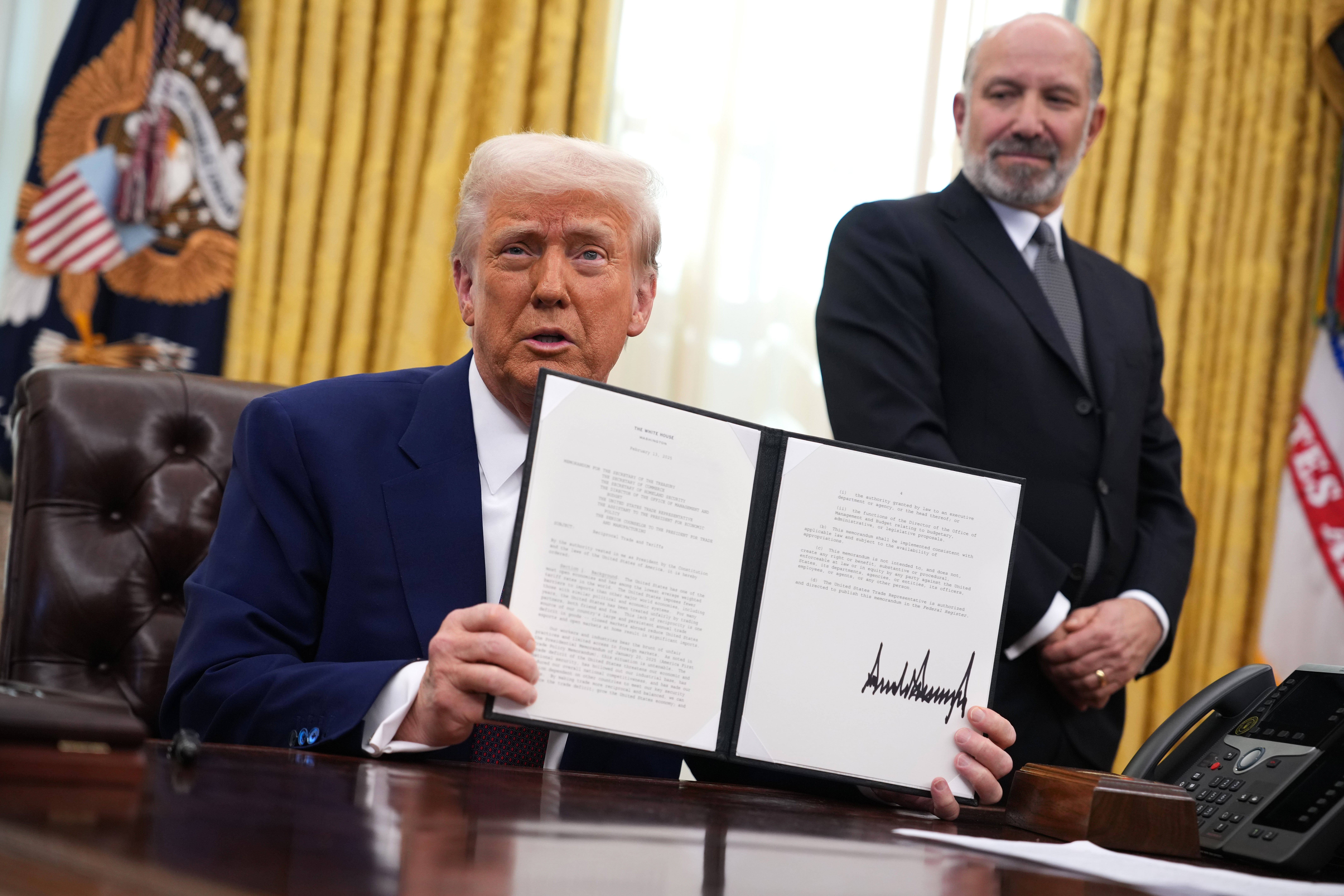
Trump imposed his “Liberation Day” tariffs in April, causing a rollercoaster stock market. A week later, he announced a 90-day pause, which has now expired, with many set to take effect Friday.
Although the world may have gotten used to Trump announcing sweeping levies before backing out of them shortly thereafter, this time, there’s no risk of TACO — the shorthand for “Trump Always Chickens Out” — the commerce secretary suggested.
“No extensions. No more grace periods. August 1, the tariffs are set. They’ll go into place,” Lutnick said on Fox News Sunday.
World leaders are still more than willing to talk to Trump after the August 1 deadline.
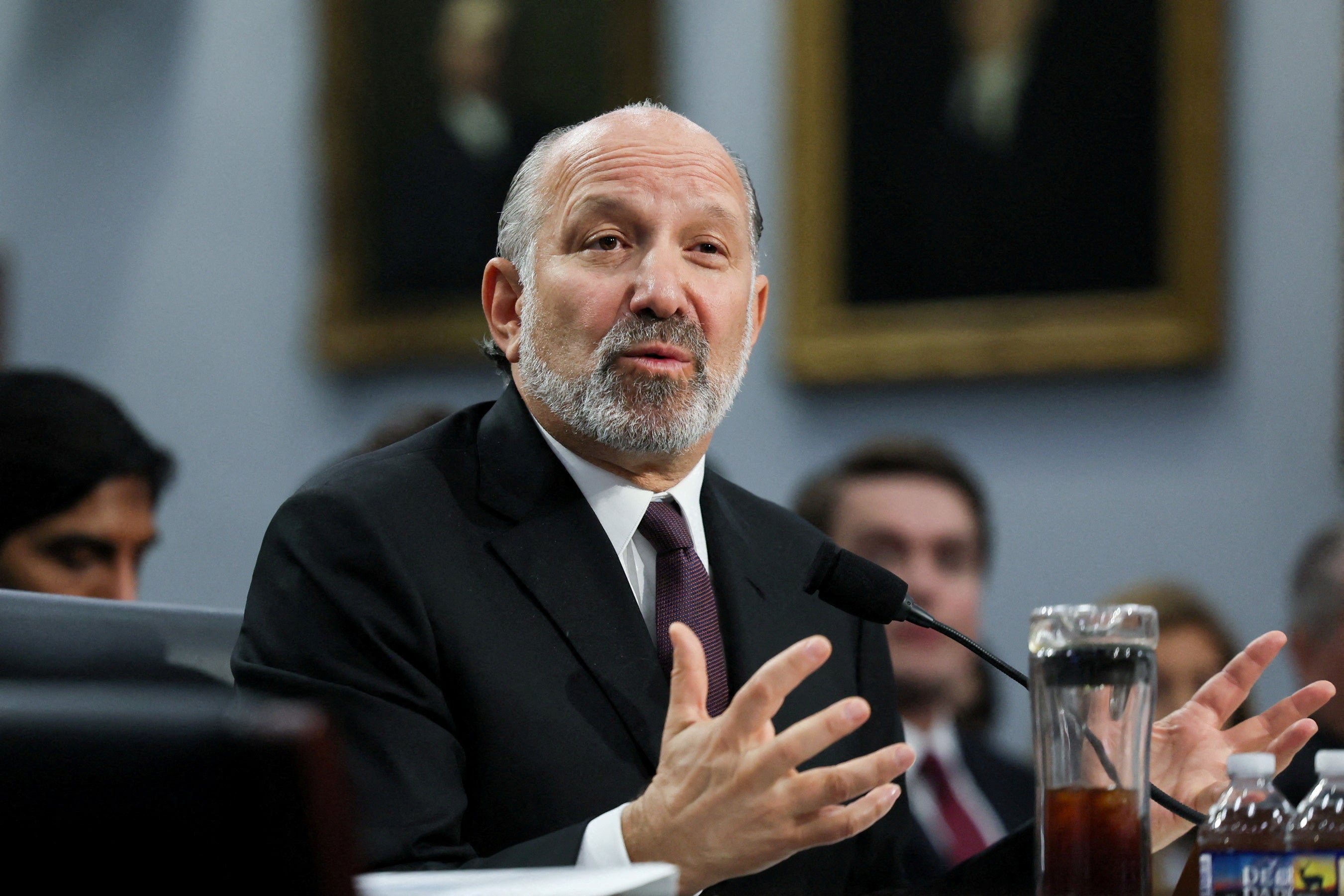
“Between now and then, I think the president’s going to talk to a lot of people. Whether they can make him happy is another question, but the president is definitely willing to negotiate and talk to the big economies,” Lutnick continued.
Lutnick’s announcement of the hard deadline contrasts with the message of Treasury Secretary Scott Bessent days earlier, when he suggested the tariff deadlines were flexible.
“The important thing here is the quality of the deal, not the timing of the deals,” Bessent told CNBC on Monday.
The hard deadline comes months after the president earned the TACO acronym after he backed out of his sweeping tariff plan.
On April 2, which Trump dubbed Liberation Day, Trump declared the day would “forever be remembered as the day American industry was reborn, the day America’s destiny was reclaimed, and the day that we began to make America wealthy again.”
Stock market turbulence ensued. The NASDAQ broke a record with its largest single-day point drop in the market’s 50-year history as investors responded to Trump’s tariff plan. Just one week after Liberation Day, he walked back on his grand plan and the stock market surged.
That’s when the acronym TACO emerged. Financial Times columnist Robert Armstrong coined the term to describe the president’s pattern of implementing trade policy threats, which investors predicted would cause the market to tumble, before he walks back on that policy, leading to a market rebound.
Trump has since changed his tariff plans more than two dozen times. Last month, he delayed the July 9 tariff deadline to August 1.
Trump met with European Commission chief Ursula von der Leyen on Sunday to try to avoid a potential trade war.
“We’re working very diligently with Europe, the EU,” Trump told reporters before he left for Scotland on Friday. “I would say that we have a 50-50 chance, maybe less than that, but a 50-50 chance of making a deal with the EU.”
Lutnick also commented on Sunday’s meeting. Speaking on Fox News Sunday, he remarked: “The question is, do they offer President Trump a good enough deal that is worth it for him to step off of the 30 percent tariffs that he set.”
Trump has announced trade deals with several countries, including Japan, Indonesia, the Philippines, Vietnam and the United Kingdom. He’s said letters had been sent out earlier this month to dozens of countries with tariff rates.
“We’ll have a straight, simple tariff of anywhere between 15 percent and 50 percent,” Trump said this week. “We have 50 [percent] because we haven’t been getting along with those countries too well.”
Economic experts have warned that consumers could pay the price for the new levies.
“Now that the Trump administration is concluding deals that would see the tariff rate facing most trading partners settling at between 15 percent and 20 percent with even higher rates levied on Chinese imports, we suspect retailers will be forced to finally raise the prices paid by consumers,” Paul Ashworth, chief North America economist with Capital Economics, said in a research note, CBS News reported.
Some companies have preemptively taken action. Trump has threatened a 50 percent tariff on Brazil. The steep levy threats against the country have prompted a New Jersey-based orange juice manufacturer to sue the Trump administration, arguing that the 50 percent tariff could result in a $70 million hit to its business.
