Three ways to combat energy bill rises as Iran-US war sparks price hike fears

Donald Trump’s war on Iran has sparked turmoil across the Middle East as Tehran retaliates by targeting multiple countries.
The conflict has sent shockwaves across the world, but closer to home, UK consumers are worried about the impact it could have on their energy bills.
This might seem like a trivial concern under the circumstances, but it is real enough.
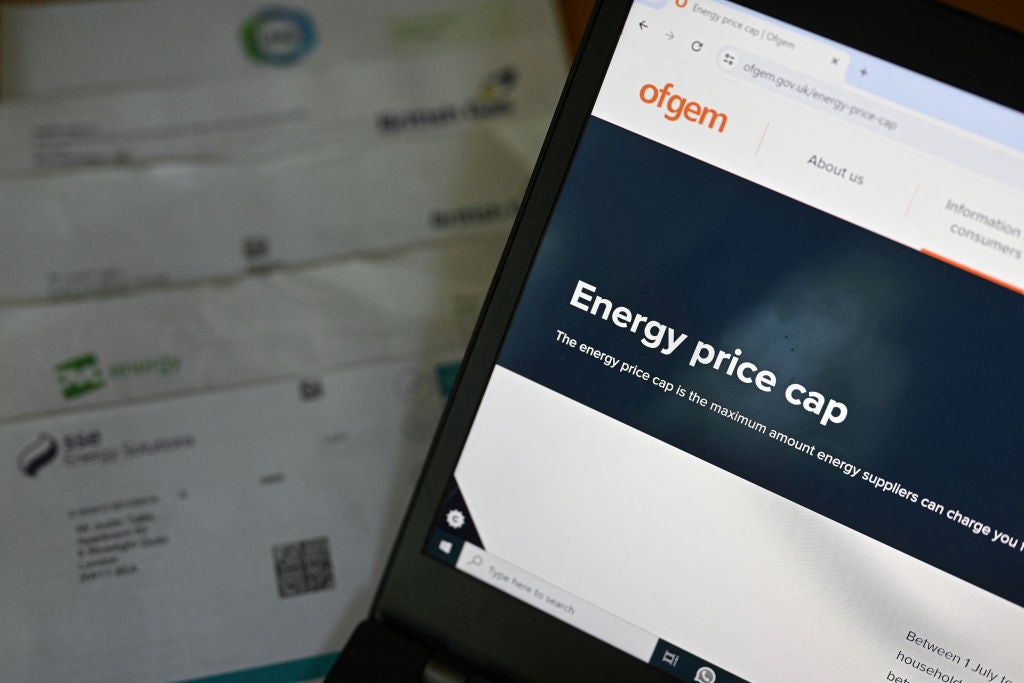
The good news, in the short term, at least, is that the price most households pay for gas and electricity will fall by 6.7 per cent on average from 1 April, when new Energy Price Cap rates are imposed by the regulator Ofgem.
Someone on a typical energy bill should see their annual charge drop by around £117 if they are on standard variable tariffs, which over 60 per cent of homes are.
But the conflict in the Middle East has experts worried that, in the medium and longer terms, energy bills will spike. Oil and gas supplies are at risk as shipping routes for energy are at the centre of the areas of conflict. Markets are nervous.
The Office for Budget Responsibility has warned of “very significant impacts on the global and UK economies”, while average energy bills could jump to £2,500 a year, an increase of about £1000 for many people, say analysts at investment bank Stifel.
Here are three things consumers could do to mitigate energy price spikes.
Ensure your tariff and readings are correct
Make sure you are not paying more than you should in the first place. Submit meter readings perhaps once a month, take photos, and also take notice if usage spikes for no obvious reason. The new breed of smart meters does this automatically, anyway. Check if you are eligible for government support – if you receive benefits such as a pension or universal credit. This year, the Warm Home Discount was worth £150.
Turning off appliances rather than leaving them on standby could save up to £50 a year. Turning down your heating by just one degree could save more than that, according to British Gas, which thinks lowering your thermostat by one per cent could save between £90 and £145 a year, or about 10 per cent of the average bill.
Rory Duff, co-MD of Hometree Finance, the renewable energy installer, said: “With energy prices surging again, households should prepare for prolonged volatility. While global prices are beyond anyone’s control, families can take measures to keep their bills from spiralling. Small steps make a real difference: servicing boilers, improving insulation, adjusting heating schedules and lowering the thermostat by even one degree can cut bills without affecting comfort.”

Get a free fractional share worth up to £100.
Capital at risk.
Terms and conditions apply.
Go to website
ADVERTISEMENT
Get a free fractional share worth up to £100.
Capital at risk.
Terms and conditions apply.
Go to website
ADVERTISEMENT
Fix your tariff quickly
The upcoming April price cap will last until July. If you are not already locked into fixed tariffs beyond that, move quickly.
Current market-leading deals include Outfox the Market at £1,509 annually, Fuse Energy at £1,515, and Eon Next at £1,543.
Uswitch, the price comparison website, reckons savings of up to £250 a year are possible for savvy consumers. Money Savings Expert recommends fixing for between 12 and 18 months to give you price stability, without locking you out of potential lower rates for too long, should the market shift notably.
Your energy provider will give you more details.
Buy shares in the oil giants
One thing the stock market-savvy consumer could do is buy shares in BP or Shell. The oil giants pay out dividends to investors, which means cash coming in, even if the shares don’t move upwards.
BP shares yield more than six per cent in interest, typically higher than Shell, which is £60 on a £1000 investment.
Russ Mould, a broker AJ Bell, says: “BP and Shell are forecast to contribute between 10 per cent and 11 per cent of the total pre-tax profit that analysts expect the FTSE 100 to generate across 2026 and 2027.
“The two oil majors are also expected to combine to provide 11 per cent to 12 per cent of aggregate FTSE 100 cash returns, in the form of dividends and share buybacks, in 2026 and 2027. That is down from the past couple of years, as BP has halted its buyback, and it does only include the buybacks announced by Shell to date this year. But there could be more.”
The easiest way to buy shares is to open an account with one of the big retail stock brokers. AJ Bell, Interactive Investor and Hargreaves Lansdown are all established players with good reputations.
What else could come next?
The experts at Deutsche Bank fear higher interest rates and higher wages.
Analyst Sanjay Raja says: “For the Bank of England, with the 2022 energy shock still likely salient, fears of inflation persistence will likely increase should energy prices remain (or rally further) from current levels. Indeed, if held, such moves would disrupt the UK’s disinflation track meaningfully and raise concerns of second-round effects next year, including sticky inflation expectations. This could buoy wage settlements in the coming year, putting in doubt both the pace and scale of rate cuts.”
