What happens next if Trump launches his attack on Iran

President Donald Trump continues to weigh up the prospect of joining Israel’s attack on Iran in an apparent attempt to prevent the Islamic Republic from developing a nuclear weapon.
Trump and Secretary of State Marco Rubio initially denied any U.S. involvement, with the president claiming to have advised Israeli Prime Minister Benjamin Netanyahu against taking military action, preferring to continue negotiations with Iran in neutral Oman.
But since then, Trump has adopted much more mixed messaging, privately agreeing on a potential plan of attack on Tuesday and telling reporters on the South Lawn of the White House on Wednesday: “I may do it, I may not do it. I mean, nobody knows what I’m going to do… The next week is going to be very big, maybe less than a week.”

As the world awaits his decision, seven experts surveyed by Politico have given their verdicts on what they think might happen next.
Former U.S. ambassador Ryan Crocker argued that America joining in Israel’s operation would leave Iran with two choices: return to the negotiating table or retaliate in kind.
The latter course might mean attacks on U.S. military and diplomatic targets in the region, blocking the Straits of Hormuz to drive up global oil prices, or attacking the energy infrastructure of the Arab Gulf.
He pointed out that aerial bombardment alone would not be enough to conclusively curtail Iran’s nuclear weapons ambitions because “neither Israel nor the U.S. can kill all the nuclear scientists.”
Crocker states that only an agreement to abandon uranium achievement could achieve that aim without broadening the conflict across the Middle East.
For ex-U.S. special envoy Dennis Ross, much would depend on how precisely Washington went about bombing Iran.
Targeting specific sites like the Fordo enrichment plant, situated in a mountain near Qum, might be enough to convince Iran to lower its arms and agree to further talks.
However, a much broader assault, “maybe with a regime-change objective in mind,” could leave Iran’s leaders feeling “they have little to lose and their best bet is to show they can make us pay a heavy price.”
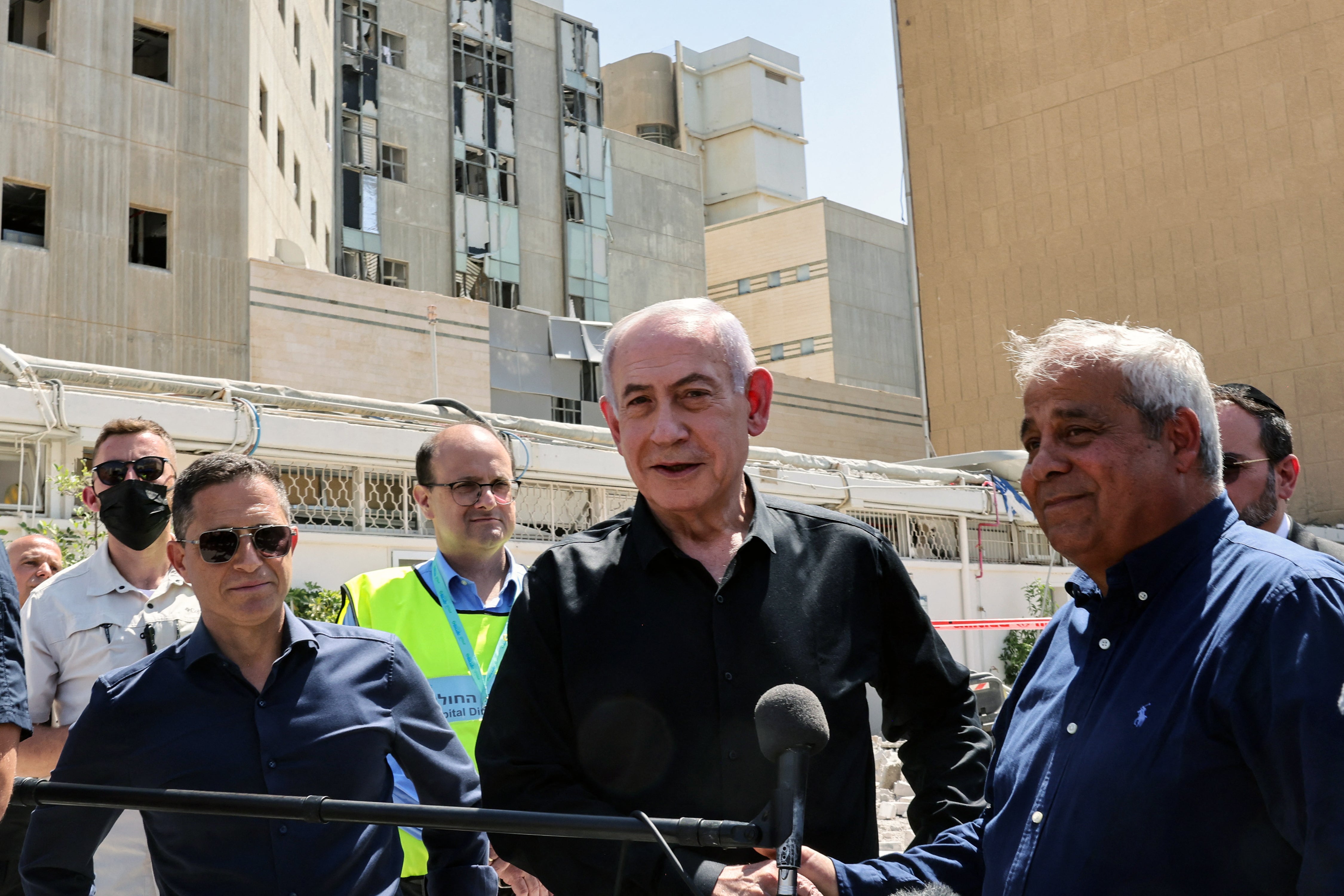
Eurasia Group President Ian Bremmer observed that, so far, Iran has “displayed significant restraint” and agreed with Ross that a strike on Fordo alone might convince it to back down militarily.
He also warned about the possibility of Iran’s leadership no longer staying “coordinated” under pressure, which could see “rogue military actors” break ranks and escalate the situation.
“It’s much easier to start wars than to end them,” he observed.
Ray Takeyh, a senior fellow at the Council on Foreign Relations, stated that Iran is not well-positioned to respond militarily at present. Still, American airstrikes would serve as effective confirmation to the country’s leaders that Washington was involved in Israel’s attack all along.
“Clerical oligarchs have long memories,” he warned, pointing to the prospect of revenge served cold in the future, with American embassies, tourists and military bases all potential targets.
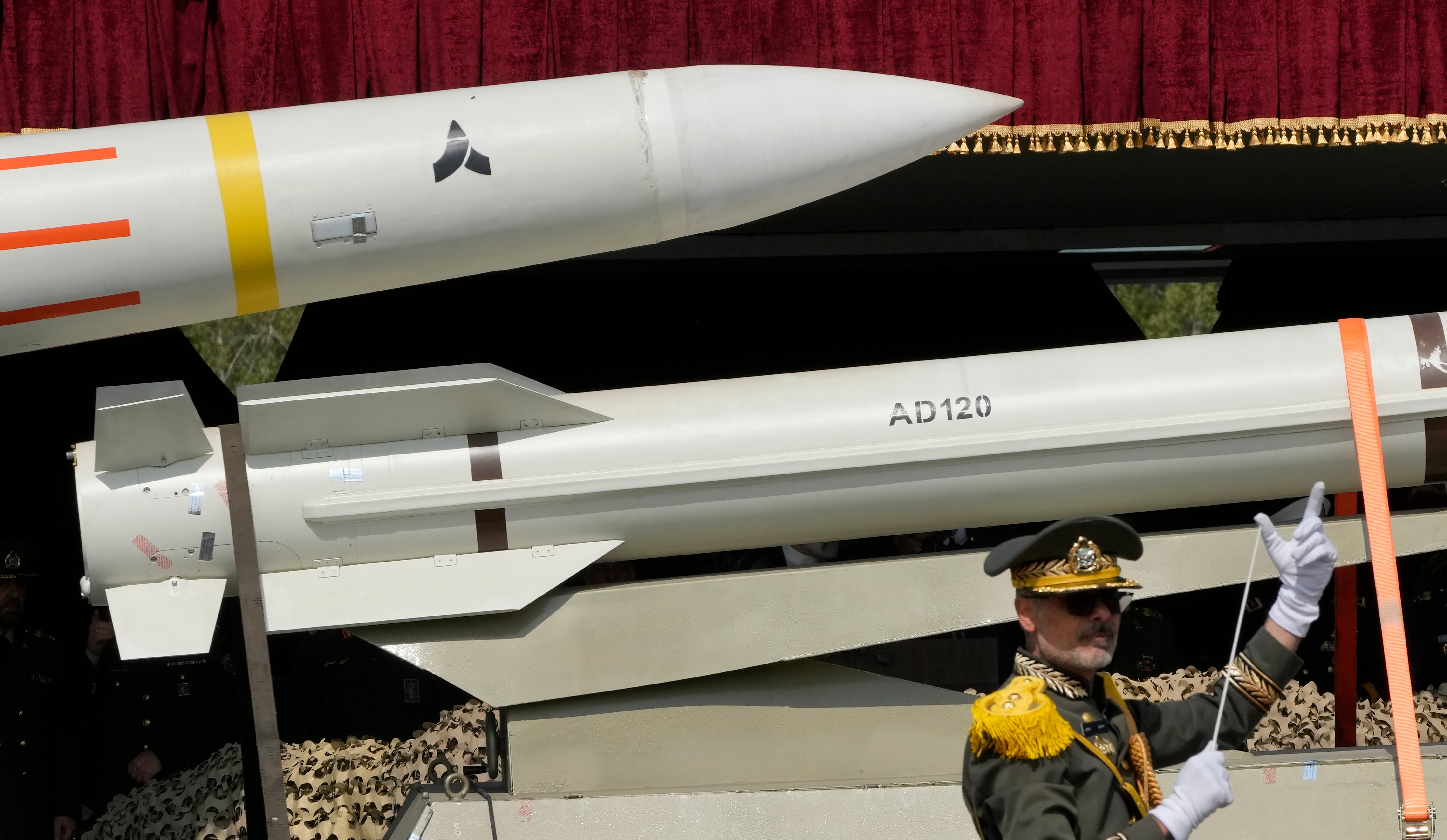
Professor Robert Pape of the University of Chicago said he would expect the U.S. military to target Fordo and another nuclear site, Natanz, as their first order of business, but that going after further “surprise” targets would also be a likely strategy.
Foreign affairs analyst Robin Wright argued that the tension between Israel and Iran can never be resolved through armed conflict, insisting that only diplomacy can secure a lasting peace and only Washington has the power and influence to bring about that outcome.
Wright also expressed concern that, so far, neither Israel nor the U.S. have expressed any long-term goals regarding Iran, with much of the language surrounding the assault ambiguous, leaving the prospect of a dangerous power vacuum being allowed to open up if they assassinate Ayatollah Khamenei, as Trump has threatened, without a clear “end game” in sight.
Arash Azizi, a journalist with The Atlantic, meanwhile, expressed confidence that Iran will ultimately choose the path of diplomacy, rather than bloodshed.
“This will fit both with the regime’s rationale of wanting to preserve itself and the overwhelming sentiments on the Iranian street,” he said.
